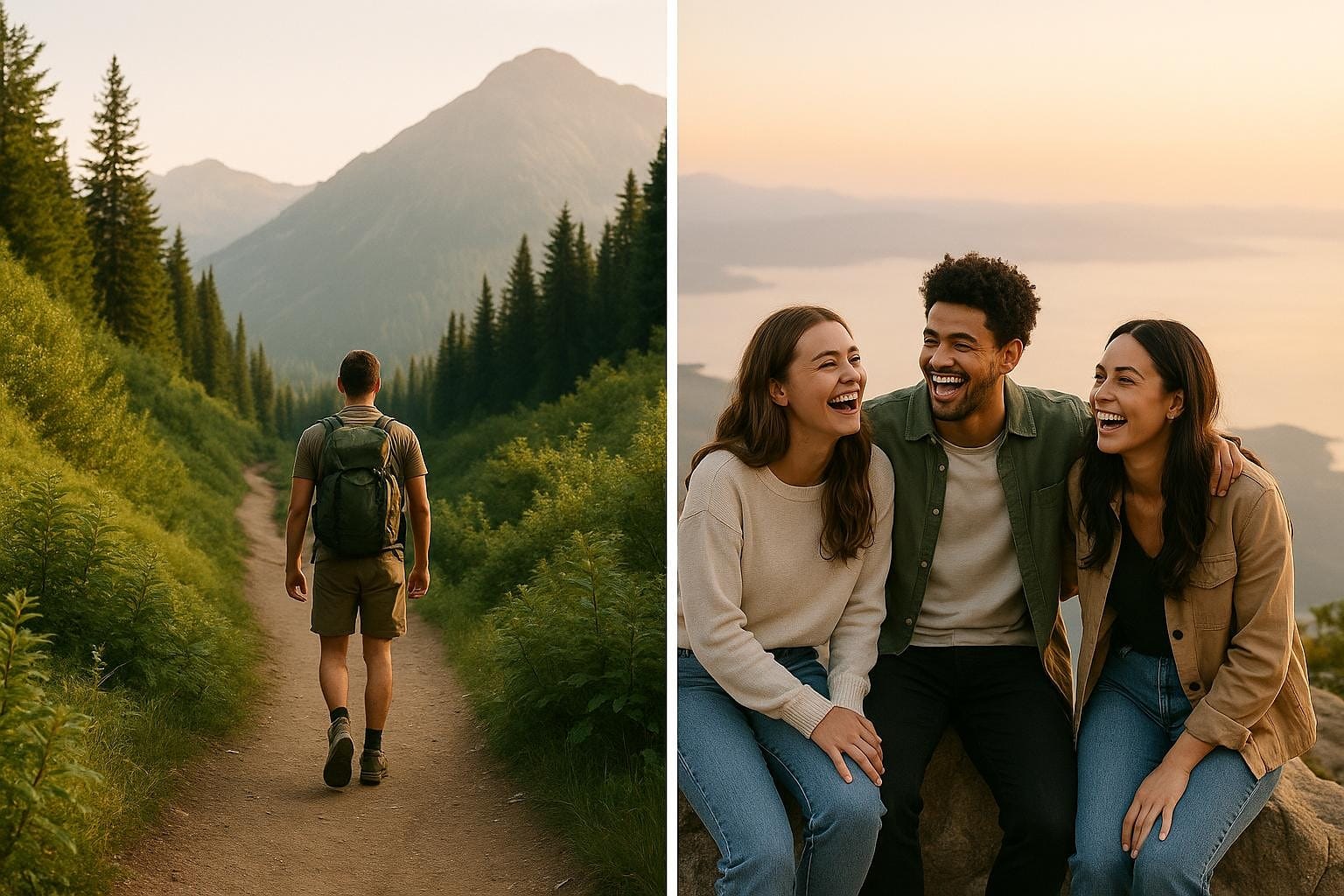
Deciding between solo and group adventures comes down to your travel goals, comfort level, and priorities.
Here’s a quick breakdown:
- Solo travel offers complete freedom, self-reliance, and personal reflection but requires handling all responsibilities yourself.
- Group travel provides companionship, shared costs, and safety but demands flexibility and compromise.
Ask yourself:
- Do you prefer independence or shared experiences?
- Are you comfortable managing safety and planning alone?
- Is budget control or splitting expenses more important to you?
Quick Takeaway: Solo trips suit those seeking freedom and self-growth, while group adventures are ideal for connection and collaboration. Choose based on your goals, experience, and destination.
The pros and cons of solo vs group travel
Know Your Goals and Preferences
Before booking flights or lacing up your hiking boots, take a moment to think about what you truly want from your adventure. Your personal motivations will act as your compass, steering you toward either solo exploration or group experiences. Clarifying these goals now will help guide your planning process later.
Self-Reflection: What Do You Want From This Adventure?
Start by asking yourself: What are you hoping to get out of this trip? If you’re looking to challenge yourself physically or mentally, solo adventures might be the way to go. Traveling alone allows you to test your limits and build self-reliance while giving you uninterrupted time for personal reflection. Whether it’s watching the sunrise in solitude or spending hours capturing the perfect photo, you’re free to move at your own pace without worrying about anyone else’s plans.
On the flip side, if your priority is connection – whether that’s meeting new people or deepening relationships you already have – group adventures are ideal. Tackling challenges together often forges strong bonds and creates shared memories that last a lifetime.
Maybe your goal is to learn something new. Group settings naturally lend themselves to skill-building. For example, in a rock climbing group, experienced climbers often mentor beginners, sharing tips and techniques that help everyone grow.
Relaxation and stress relief can be found in both solo and group adventures, but the experience differs. Solo trips allow you to unwind at your own pace, free from group dynamics. Group adventures, however, can offer a different kind of relaxation – where shared responsibilities and collective decision-making lighten the load.
Once you’ve identified your goals, balance them with a realistic understanding of your skills and comfort level.
Check Your Comfort Level and Experience
Your ambitions should align with your experience and risk tolerance. If you’re a beginner, group adventures can be a great starting point. They provide access to experienced travelers who can guide you on everything from gear selection to navigation and safety. For instance, if you’re new to backpacking, joining a group can help you gain confidence while learning the ropes.
For seasoned adventurers, the freedom of solo travel might be more appealing. With your skills already honed, you’ll feel confident handling unexpected situations, navigating unfamiliar terrain, and making quick decisions on your own.
Think carefully about your risk tolerance, decision-making style, and physical fitness level. Solo adventures are best suited to those who thrive on independence, enjoy solitude, and feel comfortable with uncertainty. Group adventures, on the other hand, require collaboration, patience, and a willingness to compromise on plans and pace.
Your comfort with solitude is another key factor. Solo travel means spending extended periods alone, often with only your thoughts for company. If silence feels unsettling or you process experiences better by sharing them with others, a group setting might suit you better.
Fitness levels also play a role, especially in group dynamics. If there’s a big difference in fitness among group members, it can lead to frustration – faster participants may feel held back, while slower ones might feel pressured to keep up.
Finally, assess your flexibility with plans. Group adventures usually require compromise, whether it’s adjusting schedules, destinations, or activities to accommodate the group. If you prefer sticking to a detailed itinerary or have specific goals in mind, solo travel gives you the freedom to shape the experience exactly as you envision it.
Solo vs Group Adventures: The Differences
Choosing between solo and group adventures depends on your personality, goals, and what you hope to gain from your experience. Each option has its own perks and challenges, shaping your journey in unique ways. Let’s break down how these two approaches differ.
Solo Adventures: Independence and Self-Discovery
Solo adventures are all about freedom. You’re the boss – deciding your schedule, picking where to eat, and changing plans on a whim. Want to spend hours photographing a single sunset? Go for it. Prefer to skip a stop because something else caught your eye? No problem.
Beyond the freedom, solo travel is a fantastic way to build self-reliance. It pushes you to solve problems on your own, whether it’s navigating an unfamiliar city with just a map or fixing a gear issue in the middle of nowhere. These moments boost your confidence and prove just how capable you are.
You also get uninterrupted time to reflect. Without the distractions of others, you can process your experiences, think through life’s big questions, or simply enjoy the quiet. It’s a rare chance to disconnect from the daily grind.
But let’s not sugarcoat it – solo adventures have their challenges. Safety concerns are a big one. If you’re injured on a remote trail or need assistance, there’s no one immediately there to help. Loneliness can sneak up, too, especially during meals or when you want to share a breathtaking view with someone but can’t.
Then there’s the financial side. Traveling alone often means footing the entire bill. A $120 hotel room feels a lot steeper when you’re not splitting the cost.
Group Adventures: Connection and Shared Experiences
Group adventures, on the other hand, focus on connection. Traveling with others creates shared memories that can strengthen relationships. Whether it’s conquering a tough hike together or laughing over a wrong turn, these moments often turn into stories you’ll cherish for years.
Groups also bring practical benefits. Splitting costs makes trips more affordable, and having others around enhances safety. If someone gets hurt, there’s immediate help. Plus, group members can pitch in with tasks like navigation or meal prep, making the experience smoother for everyone.
The mix of skills in a group adds another layer of value. One person might be great at planning routes, while another excels at cooking. Everyone learns something new along the way.
However, group travel does come with its own set of hurdles. Flexibility takes a hit since decisions – like where to eat or when to wake up – require compromise. Group dynamics can also be tricky. Differing fitness levels or clashing personalities can lead to frustration. For instance, a fast hiker might feel held back, while someone slower could feel pressured to keep up.
And let’s not forget the logistical headaches. Coordinating schedules, booking accommodations for multiple people, and simply getting everyone out the door on time can test even the most patient planner.
Comparison Table: Solo vs Group
Here’s a quick look at how solo and group adventures stack up:
| Factor | Solo Adventures | Group Adventures |
|---|---|---|
| Decision Making | Full autonomy, instant decisions | Requires discussion and compromise |
| Cost | Higher per person (no sharing) | Lower per person (shared expenses) |
| Safety | Higher personal risk | Safer with group support |
| Flexibility | Maximum freedom | Limited by group consensus |
| Social Interaction | Minimal unless actively sought | Built-in companionship |
| Personal Growth | Builds self-reliance and confidence | Develops teamwork and collaboration skills |
| Planning Complexity | Simple – just your preferences | More complex with multiple schedules |
| Pace Control | Set entirely by you | Adjusted to fit the group |
Both solo and group adventures offer incredible opportunities, but they cater to different needs. Whether you’re craving independence or looking to share the journey, the right choice depends on what matters most to you.
Key Factors to Consider
Once you’ve done some self-reflection, it’s time to weigh specific factors that can help steer you toward the right adventure style.
Budget and Cost Sharing
Money matters when planning your trip, and how you spend it often depends on whether you’re traveling solo or with a group. Group trips can be easier on the wallet since costs like accommodations, transportation, and even some activities are split among participants. This shared approach can significantly lower what you pay individually. On the other hand, solo travel gives you complete control over your budget. Want to treat yourself to a fancy dinner one night and save by grabbing street food the next? That’s entirely up to you. Your budget also influences your itinerary – more flexibility can open up pricier destinations or activities, while tighter finances might call for more careful planning. Think about whether splitting costs or having full control over your spending suits your travel goals better.
Safety and Risk Management
Safety is a big consideration, and it plays out differently depending on whether you’re traveling alone or with a group. Solo travel requires you to be entirely self-sufficient. You’ll need to handle navigation, first aid, problem-solving, and emergencies all on your own. For example, if you get injured or your car breaks down in a remote area, help might not be immediately available, so preparation is crucial. Here are some tips for solo adventurers:
- Share your detailed itinerary and expected return time with someone you trust. If possible, enable live location sharing through your phone.
- Pack a first aid kit and learn basic repair skills.
- Check weather conditions, dress appropriately, and carry extra water.
- Set up camp at least two hours before sunset and stick to marked trails.
Group travel, by contrast, offers a safety net. When challenges arise – whether it’s an injury or a navigational hiccup – others in the group can step in to assist. A mix of skills within the group, like someone who knows first aid or excels at navigation, can make the journey safer and less stressful. Your choice might also depend on the type of trip you’re planning. Remote wilderness treks or technical climbs often suit group travel better, while solo trips can work well for urban adventures or popular, well-marked routes.
Flexibility and Itinerary Control
How much control you want over your plans can heavily influence your choice. Solo travel gives you the ultimate freedom to make decisions on the go. You can linger at a place that fascinates you or skip an activity that doesn’t spark your interest – all without needing to consult anyone else. Group travel, however, requires compromise. Decisions about meals, activities, and timing are often made collectively, which might mean giving up some flexibility. If spontaneity and control are what you’re after, solo travel is the way to go. But if you enjoy shared decision-making and the camaraderie of planning together, a group trip might be the perfect fit.
These considerations will shape the kind of experience you have, helping you decide which adventure style aligns best with your personality and priorities.
sbb-itb-fc951a8
Steps to Make Your Decision
Once you’ve reflected on your self-assessment and key factors, it’s time to take actionable steps to pinpoint your ideal adventure style. Here’s how to align your travel plans with your personal goals.
Do a Personal Assessment
Start by taking stock of what truly matters to you. Write down your adventure goals, non-negotiables (like budget, safety, and must-have activities), and areas where you’re comfortable – or willing to stretch beyond your comfort zone.
Think about your comfort levels and how far you’re ready to push them. For instance, if you’ve never traveled alone, embarking on a solo backpacking trip in remote wilderness might feel intimidating. A solo city getaway, on the other hand, could be a great way to ease into solo travel. Similarly, if you’re an introvert, diving headfirst into a large group trip might feel draining rather than enjoyable.
Be honest about your biggest concerns with both solo and group travel. Are you worried about feeling lonely on a solo trip? Or perhaps you’re concerned about losing your independence in a group setting? Addressing these fears upfront will help you plan effectively and avoid potential roadblocks during your adventure.
Lastly, evaluate how your intended destination fits with your priorities and preferences.
Research Destinations and Requirements
Pick destinations that suit your travel style. Remote areas often make group travel safer and more practical, especially when it comes to navigating logistical challenges. For example, group travel can be a smart choice for wilderness hikes in isolated locations.
Check for permits and seasonal restrictions specific to your destination. Some national parks cap group sizes, while others may require advance reservations that solo travelers might find easier to secure. Investigate the terrain difficulty and any technical skills needed – activities like rock climbing or mountaineering often benefit from group expertise and shared safety gear.
Look into the local infrastructure as well. Areas with reliable cell service and clear trail markers are better suited for solo travelers, while remote regions with limited rescue access might be safer with a group. Weather conditions also play a role – destinations prone to sudden storms or extreme temperatures are often safer when tackled with companions who can assist if things go wrong.
Use Resources for Preparation
Tap into available tools and community knowledge to guide your decision-making. Digital platforms can provide up-to-date information on conditions, gear, and safety tips. Local ranger stations and visitor centers are also excellent resources for real-time advice and recommendations.
Leverage online communities for firsthand insights. Trip reports, forum discussions, and shared experiences from other adventurers can give you a clearer picture of the challenges and rewards of solo versus group travel. Many travelers share detailed accounts, including lessons learned and tips they wish they’d known in advance.
A great resource to consider is Legendary Life Media, which offers curated content and connections for outdoor enthusiasts. Their platform provides practical travel advice, personal growth insights through outdoor challenges, and opportunities to connect with others who share your adventurous spirit. Whether you’re planning your first solo trip or organizing a group journey, their resources can help you feel confident and prepared.
If you’re torn between solo and group travel, consider guided trips as a middle ground. Many outfitters offer small group adventures that balance safety and companionship with a more intimate, personalized experience compared to larger tours. Guided options can be a fantastic way to enjoy the best of both worlds.
Tips for a Successful Adventure
Once you’ve decided between traveling solo or with a group, the next step is preparation. Success hinges on thoughtful planning and understanding how to handle the unique challenges of your chosen style.
Tips for Solo Adventurers
Pack wisely and stay connected. Your gear can make or break your trip. Always carry a charged power bank and consider investing in a satellite communicator like a Garmin inReach for areas where cell service is spotty. Don’t forget reliable offline maps to guide you through remote areas.
Share your plans with someone you trust. Before heading out, leave your itinerary with a reliable contact back home. Include details like your route, expected check-in times, and emergency contacts. Keep them updated throughout your trip. This simple precaution can turn potential mishaps into manageable situations.
Trust your gut, but don’t let fear hold you back. Solo travel requires quick decision-making. If something feels unsafe – whether it’s bad weather, a questionable area, or faulty gear – don’t hesitate to adjust your plans. For beginners, starting small with a local day hike can build confidence for more ambitious trips later.
Keep your mind engaged and your motivation high. Tough moments can feel lonelier when you’re on your own. Bring along a journal to reflect or use voice memos to capture your thoughts. Break your journey into smaller goals, like reaching a scenic viewpoint or tackling a challenging trail section. These little wins provide a sense of accomplishment and keep you moving forward.
Don’t be afraid to ask for help. Solo travel doesn’t mean you’re entirely on your own. Fellow travelers, locals, and park rangers are often willing to lend a hand or offer advice. Whether it’s directions, recommendations, or a quick safety check, reaching out can make your journey smoother.
Now, let’s dive into strategies for thriving on group adventures.
Tips for Group Adventurers
Set clear expectations upfront. Before the trip, discuss everyone’s priorities, budgets, and must-haves. Maybe one person loves early starts while another prefers to sleep in. Someone might want to stick to a tight budget, while others are fine with occasional splurges. Sorting this out early avoids surprises later.
Play to everyone’s strengths. Assign roles based on what each person does best. Let the detail-oriented friend handle permits, the natural navigator plan routes, and the social butterfly organize meals. This approach spreads responsibilities evenly and keeps everyone invested.
Plan for flexibility. Not everyone will want to do the same thing all the time. Some might want to climb a challenging peak, while others opt for a relaxing day at camp. Building in optional activities keeps the group dynamic positive and allows for individual preferences.
Address conflicts right away. Group tensions can escalate quickly when people are tired, hungry, or stressed. Nip issues in the bud by addressing them as they arise. Sometimes a short break or acknowledging the group’s stress is all it takes. Other times, you may need to have a candid discussion about adjusting plans.
Check in daily. Dedicate a few minutes each morning or evening for everyone to share feedback, voice concerns, or suggest changes. This ensures small problems don’t snowball and gives quieter members a chance to speak.
Plan for different spending habits. Money can be a tricky subject in group travel. Decide early how to handle expenses – tools like Splitwise can simplify things. If some want to splurge on a pricey excursion while others prefer to save, make room for both choices to avoid financial friction.
Conclusion: Making the Right Adventure Choice
Deciding between solo or group adventures comes down to understanding your goals, experience, and comfort level.
Solo adventures give you the ultimate freedom to set your own pace and make spur-of-the-moment decisions. However, they require more preparation, a focus on safety, and the ability to handle solitude during tough moments. On the other hand, group adventures offer shared experiences, built-in safety, and often help cut costs. The trade-off? You might need to compromise on flexibility and personal preferences.
Your decision should also consider factors like budget, experience, and destination. For instance, if you’re new to multi-day hikes, joining experienced friends can ease the learning curve. But if you’re a seasoned adventurer, the thrill of navigating solo through unfamiliar terrain might be exactly what you’re looking for.
Starting with smaller, manageable trips can help you figure out what works best for you. Many adventurers find themselves switching between solo and group trips over time as their preferences and needs evolve.
For more ideas and practical tips, check out Legendary Life Media. They offer travel, personal growth, and lifestyle content designed to inspire and guide your next journey. Plus, their community-driven insights from fellow explorers can be a great resource.
Once you’ve identified your priorities, take that first step and start planning your perfect adventure.
FAQs
How can I handle loneliness and stay safe while traveling solo?
Traveling alone can be an amazing experience, offering freedom and personal growth. However, it’s completely normal to feel a bit uneasy about things like loneliness or safety. To keep loneliness at bay, try joining local tours or group activities where you can meet fellow travelers. Online communities are also a great way to connect with people who share your interests. During quieter moments, keeping a journal or diving into a good podcast can help you feel more engaged.
When it comes to safety, preparation is key. Share your itinerary with someone you trust, do your homework on the places you’re visiting, and always stay aware of your surroundings. Trust your gut – if something feels off, it probably is. Avoid venturing into unsafe areas, especially after dark. With the right planning and a bit of mindfulness, solo travel can be an incredibly safe and rewarding adventure.
How can I manage different fitness levels and interests during a group adventure?
When planning a group adventure, it’s important to cater to everyone’s fitness levels. One way to do this is by organizing activities with adjustable intensity or dividing into smaller groups based on individual abilities. This way, everyone can join in and feel comfortable.
To keep things interesting, aim for a diverse mix of activities. Think about including options like hiking, team-based games, or problem-solving challenges. Offering a variety ensures that there’s something enjoyable for everyone, keeping the group engaged. By prioritizing inclusivity and variety, you can create an experience that stands out for all the right reasons.
What should I think about when deciding between traveling solo or with a group?
When choosing between traveling solo or with a group, it’s essential to weigh aspects like safety, flexibility, and social preferences.
Traveling solo gives you the freedom to create your own schedule and focus on personal growth. It’s a chance to explore at your own pace and prioritize what matters most to you. That said, it can sometimes feel isolating or pose safety challenges, particularly in destinations that aren’t as welcoming to solo travelers.
Group travel, by contrast, provides built-in security, shared expenses, and easier planning. It’s a great option for first-time travelers or those who thrive in social settings. However, group trips often come with stricter schedules and less room for spontaneity.
Ultimately, the decision comes down to what makes you feel most comfortable, your travel goals, and the specific needs of the destination you’re visiting.
Related Blog Posts
- Travel Budget Checklist for Digital Nomads
- Freelancing vs Full-Time Job: Complete Guide
- Why Entrepreneurs Need Accountability Systems
- SMART Goals for Entrepreneurs: Step-by-Step Guide
About The Author