
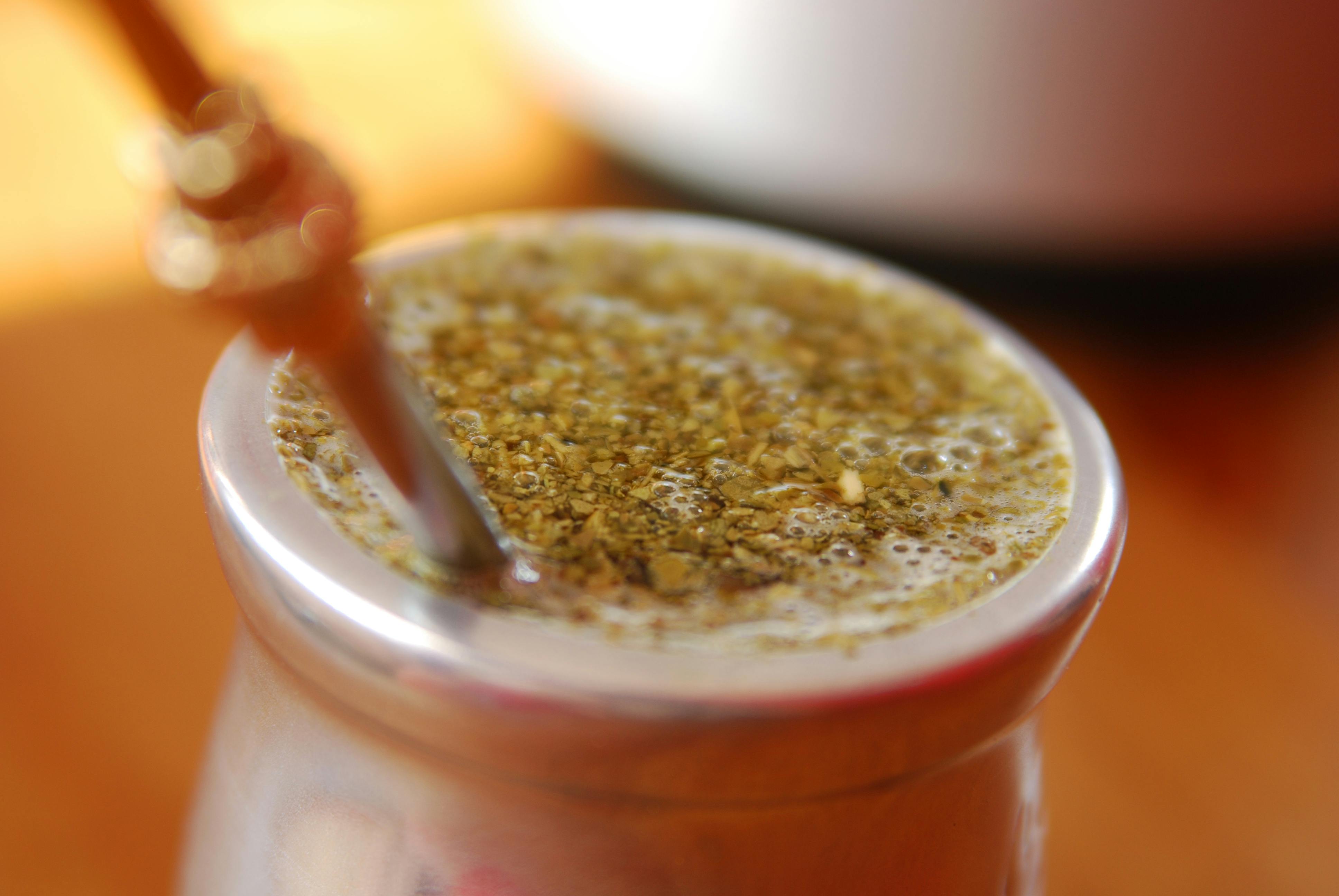
The Health Benefits of Yerba Mate: A Deep Dive into History, Science & Brewing 🌿
The Health Benefits of Yerba Mate: A Deep Dive into History, Science & Brewing 🌿
Introduction
When it comes to traditional beverages that merge culture, stimulant power, and potential wellness perks, few match the stature of Yerba Mate. Originating from South America, yerba mate has long been valued for its social, ritual and physiological roles. In recent years, science has turned the spotlight on the health benefits of yerba mate, unveiling interesting findings and offering promising avenues — while also reminding us of caveats and context. In this article we’ll journey through yerba mate’s history, explore its possible health benefits, unpack how to prepare and enjoy it, and highlight precautions you should know.
What is Yerba Mate?
Yerba mate is an herbal infusion made from the leaves and small branches of the plant Ilex paraguariensis, a species of holly native to subtropical South America. plantmedicines.org+3Healthline+3National Geographic+3
The drink is typically enjoyed hot or cold, and is often consumed socially — for example in Argentina, Uruguay, Paraguay and southern Brazil, where handing around a gourd and “bombilla” (metal straw) is common. National Geographic+2Healthline+2
Nutritionally, a cup of yerba mate delivers relatively few calories (≈ 15 kcal) but contains stimulants (caffeine, theobromine), antioxidants, saponins, polyphenols and modest amounts of vitamins/minerals. WebMD+2Healthline+2
Thus, when we talk about the health benefits of yerba mate, we are referring to how those bioactive compounds may translate into physiological effects.
A Brief History of Yerba Mate
Understanding yerba mate’s cultural and historical roots gives good context for why this beverage remains relevant today.
Indigenous Origins
The Guaraní and other indigenous groups in what is now Paraguay, northeastern Argentina and southern Brazil used the leaves of Ilex paraguariensis for centuries. They brewed the leaves as a stimulating infusion, believed to boost energy, quench thirst and support social bonds. National Geographic+1
Colonial & Economic Era
With the arrival of European colonists and Jesuit missions in the 17th and 18th centuries, yerba mate became a traded commodity. Some accounts say that the Spanish crown even attempted to ban or regulate mate trade when it interfered with tobacco revenues. National Geographic+1
Modern Popularity
Today yerba mate is consumed widely not only in South America but increasingly in North America, Europe and other regions as a “health-tea” or alternative to coffee. It’s also finding its way into ready-to-drink beverages, energy drinks and specialty infusions. National Geographic+1
This cultural weight helps explain why many people are drawn not just to the beverage’s taste, but to its social ritual and potential wellness angle.
The Health Benefits of Yerba Mate
Let’s turn to the heart of the matter: what does the science suggest about the health benefits of yerba mate? It’s important to note that while the research is promising, many findings are preliminary — more human clinical trials are still needed.
1. Rich in Antioxidants & Nutrients
Yerba mate is rich in plant compounds such as xanthines (caffeine, theobromine), caffeoyl derivatives, polyphenols, saponins and other bioactives. Healthline+1
These compounds help counteract oxidative stress (damage from free radicals) and may give yerba mate its protective properties. Medical News Today+1
For example, one review concluded:
“It has been confirmed that this beverage shows a number of beneficial health effects, including … a protective effect on liver cells, stimulation of the central nervous system, anti-inflammatory effect, as well as a positive effect on the cardiovascular system.” PubMed
2. Boosts Energy & Mental Focus
Since yerba mate contains caffeine (roughly ~70-90 mg per typical serving) — similar to a cup of coffee — it can increase alertness, reduce fatigue and improve cognitive focus. Healthline+1
Also, some users report feeling a more balanced “lift” compared to coffee, possibly due to the combination of caffeine + theobromine + other compounds slowing the uptake. National Geographic
3. May Improve Physical Performance
Studies suggest yerba mate may enhance physical performance, especially in endurance or fat-oxidation contexts. For example, one older study found cycling performance improved when drinking the beverage prior to exercise. Healthline+1
The mechanism may involve improved muscle contraction from caffeine, increased reliance on fat as fuel, and antioxidant/anti-inflammatory effects helping recovery. Wake Up World+1
4. Supports Weight Management
A number of studies point toward yerba mate contributing to weight/fat loss, or at least supporting metabolic balance. For instance, animal studies showed reductions in body fat, triglycerides and improved lipid metabolism. Medical News Today+1
One human trial found that daily consumption of mate led to reductions in total body fat mass, percent body fat and waist-hip ratio after 12 weeks. plantmedicines.org
5. Lowers Blood Sugar & Improves Lipid Profile
Some research, especially from Brazil’s Federal University of Santa Catarina and other Latin-American institutions, has found beneficial effects of yerba mate on glycemic control and lipid parameters in humans. For example, a 2011 study found lowered fasting glucose and HbA1c in diabetic/pre-diabetic subjects. plantmedicines.org
Other trials show reductions in LDL (“bad” cholesterol) and triglycerides. Dr Farrah MD+1
6. Benefits for Heart & Bone Health
Heart health: Yerba mate’s antioxidant, anti-inflammatory and saponin properties may help reduce cardiovascular risk. One human trial of overweight women found reductions in LDL, triglycerides and improved HDL following yerba mate intake for 12 weeks. Healthline+1
Bone health: A study of perimenopausal/postmenopausal women in Argentina found that those who consumed at least 1 L of mate/day for years had higher bone mineral density in spine and neck than non-consumers. Medical News Today+1
7. Anti-inflammatory, Antimicrobial & Liver-Protective Effects
Anti-inflammatory: Research suggests yerba mate may reduce markers of inflammation and oxidative stress, which underpin many chronic diseases. Medical News Today+1
Antimicrobial: Some lab studies show yerba-mate extracts can inhibit growth of bacteria (e.g., E. coli) and fungi. Healthline+1
Liver cells: One review noted protective effects on liver cells, though human data are still limited. PubMed
How to Prepare and Enjoy Yerba Mate
Knowing the health benefits of yerba mate is only half the story — the other half is how you prepare and consume it, since tradition, temperature, quantity and method all matter.
Traditional Gourd Method
In South America, yerba mate is often prepared as follows:
Fill a hollow gourd (known as a “calabash”) about one-third to half full of dried yerba mate leaves. Healthline+1
Tilt the gourd so the leaves pile on one side.
Insert the metal straw (bombilla) into the lower side of the gourd.
Add hot (but not boiling) water — often around ~70-80 °C (≈158-176 °F) rather than full boil. National Geographic
Sip the infusion, refill with hot water repeatedly until the flavor weakens.
This ritual promotes social sharing and slower sipping, which can influence absorption and experience.
Modern & Alternative Methods
French Press: If you don’t have a gourd and bombilla, you can steep yerba mate in a French press and pour into a mug. Healthline
Iced/Tereré style: Especially popular in hot climates, yerba mate is steeped with cold water or ice for a refreshing version. National Geographic
Teabag or loose-leaf infusion: Many brands offer yerba mate in bags or loose leaf form, ready for steeping like tea.
Tips for Best Experience
Use good quality yerba mate: choose leaves that are unsmoked or air-dried instead of heavily smoked (which may carry more undesirable compounds).
Avoid extremely hot water: Very hot beverages have been linked in some studies to throat/oral risks (see next section).
Keep moderation in mind: As with caffeine or any stimulant beverage, balance is key.
Pair with healthy habits: If you’re drinking yerba mate for wellness, it’s best combined with a nutritious diet, movement and good sleep.
Safety, Side Effects & Considerations
While the health benefits of yerba mate appear promising, the picture is not entirely risk-free. It’s important to understand what research and clinical guidance say about side-effects, cautions and special populations.
Caffeine-Related Effects
Because yerba mate contains caffeine and related xanthines:
You may experience increased heart rate, jitteriness, insomnia, nervousness or digestive upset. Mayo Clinic+1
People with high blood pressure, arrhythmias, or sensitivity to caffeine should approach with caution; pregnant and breastfeeding women should consult a healthcare provider. Medical News Today
Cancer Risk & High-Temperature Consumption
Some studies have shown links between heavy consumption of very hot yerba mate and increased risk of certain cancers (oral, esophageal) especially in South American populations where large amounts of hot mate were consumed daily and smoking/brisket drinking added to risk. Mayo Clinic+1
The risk may be tied less to the yerba mate itself and more to hot-temperature beverages and possibly to smoke-dried leaves (which may contain polycyclic aromatic hydrocarbons, PAHs). Verywell Health
Quantity & Duration
Long-term, heavy consumption (e.g., many liters daily) may carry more risk. For moderate consumption (1–2 cups/day) many sources consider yerba mate fairly safe in healthy adults. Mayo Clinic+1
Interactions & Special Populations
People with diabetes should monitor blood glucose if using mate regularly (it may lower blood sugar). Medical News Today+1
Those on stimulant medications, or certain heart/liver medications should consult a provider.
As with any supplement or “super-beverage”, yerba mate should complement a healthy lifestyle rather than replace it.
Integrating Yerba Mate into Your Routine
If you’re intrigued by the health benefits of yerba mate and want to incorporate it, here are some practical ideas:
Morning substitute for coffee: Try replacing one of your daily coffees with a moderate-dose yerba mate infusion. You may get caffeine + antioxidant boost.
Pre-workout drink: If you exercise, try having a cup ~30 minutes before activity (especially endurance or fat-burn style sessions).
Social or mindful sipping: Embrace the ritual — make a gourd or French press preparation, sip slowly, engage with friends or take a quiet moment.
Cold-brew version on warm days: Use the tereré method (cold water/ice) for warm climates or post-workout refreshment.
Pair wisely: Use plain, high-quality yerba mate (unsmoked if possible) rather than heavily flavored or high-sugar energy versions.
Conclusion
In summary, the health benefits of yerba mate are real and multifaceted: antioxidant support, energy/mental focus, metabolic/weight-management potential, cardiovascular & bone health implications, and more. But it’s not a magic bullet — moderation, preparation method, beverage temperature and individual health status all matter.
If you choose to include yerba mate in your diet, do so as part of a balanced, healthy lifestyle: diverse whole foods, sufficient sleep, regular movement and mindful enjoyment. And if you have underlying health conditions, consult your healthcare provider.
With its deep cultural roots, unique flavor and scientific intrigue, yerba mate offers a worthy alternative (or complement) to your beverage arsenal — and the potential health benefits make it all the more compelling.
About The Author