
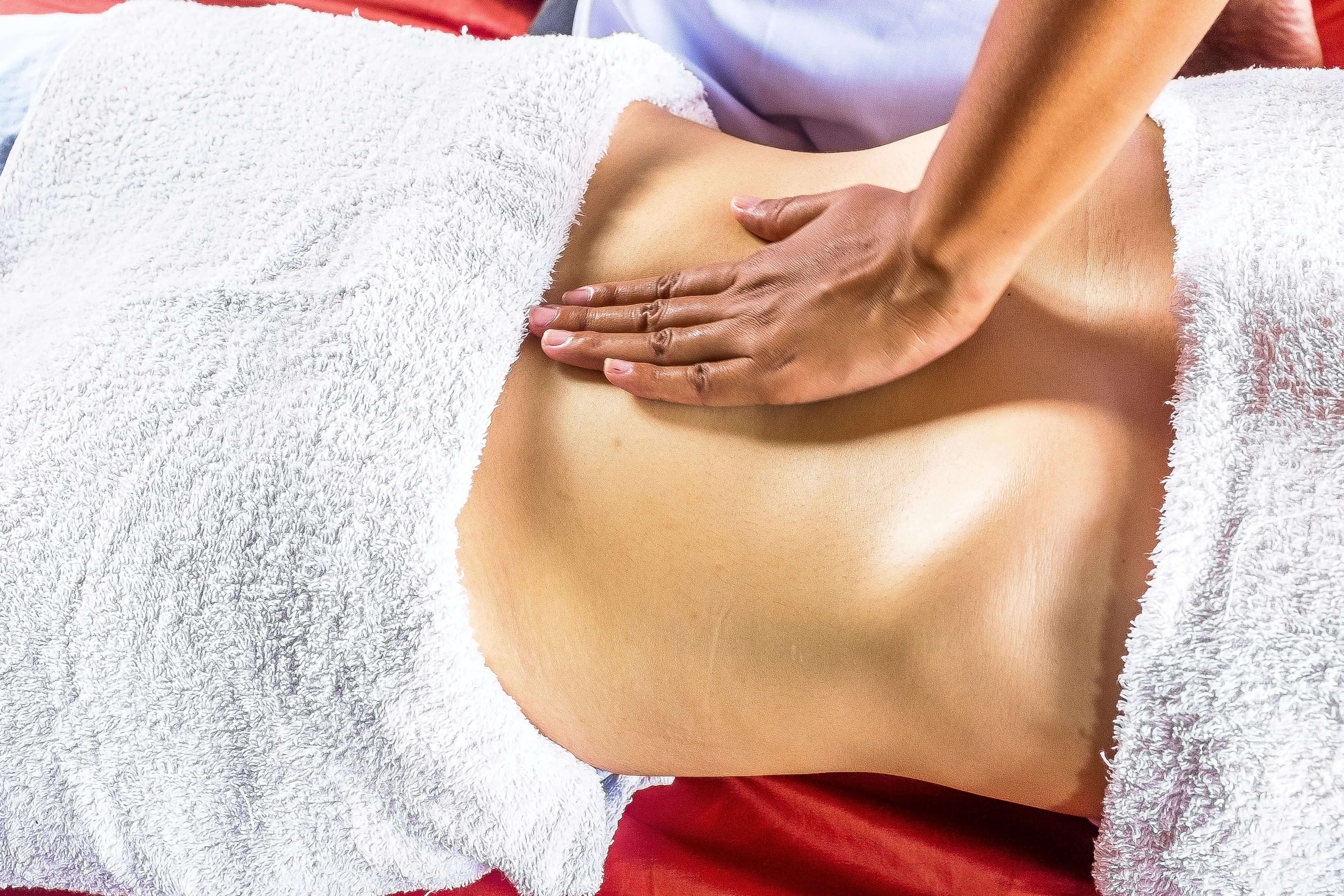
Benefits of Thai Massage: Why Traditional Thai Massage Is Unlike Any Other Therapy
Meta Description: Discover the benefits of Thai massage, how it works, and why traditional Thai massage stands apart from other massage styles for flexibility, energy, and full-body healing.
Benefits of Thai Massage: A Complete Guide to Traditional Healing
The benefits of Thai massage go far beyond simple relaxation. Rooted in ancient healing traditions, Thai massage is a dynamic, full-body therapy that combines assisted stretching, acupressure, and mindful movement. Unlike conventional Western massage techniques, it focuses on restoring energy flow, improving flexibility, and enhancing overall vitality.
Whether you’re an athlete, entrepreneur, or someone looking to optimize physical and mental performance, understanding the benefits of Thai massage can unlock a powerful tool for long-term wellness.
What Is Traditional Thai Massage?
Traditional Thai massage, also known as Nuad Thai, is a centuries-old healing practice that originated in Thailand. It integrates influences from Ayurvedic medicine, Traditional Chinese medicine, and yoga-based stretching techniques.
Rather than lying passively on a table, clients typically receive Thai massage on a floor mat while wearing loose clothing. The practitioner uses their hands, elbows, knees, and even feet to guide the body through stretches and apply rhythmic pressure. This creates a deeply interactive experience often described as “lazy yoga.”
Benefits of Thai Massage for the Body and Mind
Improved Flexibility and Mobility
One of the most immediate benefits of Thai massage is increased flexibility. Through assisted stretching, muscles are lengthened safely, joints move through a greater range of motion, and tight areas such as the hips, hamstrings, and shoulders are opened. This makes Thai massage especially valuable for athletes, gym-goers, and people with sedentary lifestyles. Over time, regular sessions can dramatically improve posture and movement quality.
Enhanced Energy Flow and Vitality
Thai massage is based on the concept of energy lines called Sen lines, similar to meridians in Chinese medicine. By applying pressure along these lines, blocked energy is released, circulation improves, and the body feels more energized. Many people report feeling more alert, mentally clear, and physically recharged. This is one of the most unique benefits of Thai massage compared to other styles.
Deep Muscle Tension Relief
Unlike traditional massages that rely mostly on oils and surface-level strokes, Thai massage works deeper into muscle tissue through compression, stretching, and targeted pressure. This helps release chronic tightness, break up muscle knots, and reduce stiffness. It is particularly effective for lower back pain, neck and shoulder tension, and hip tightness.
Stress Reduction and Mental Clarity
Another major benefit of Thai massage is its impact on the nervous system. The rhythmic, meditative nature of the session activates the parasympathetic relaxation response, lowers cortisol levels, and promotes calm focus. Instead of feeling sleepy, many people feel centered, clear-headed, and calm but energized.
Improved Circulation
Thai massage boosts both blood and lymphatic circulation. This leads to better oxygen delivery to tissues, faster recovery from workouts, and reduced inflammation. Improved circulation also supports skin health, organ function, and overall vitality.
Better Posture and Alignment
Modern lifestyles, especially long hours sitting or working on screens, create imbalances in the body. Thai massage helps correct this by lengthening tight muscles, activating underused muscle groups, and realigning the body naturally. Over time, this can reduce back pain, improve spinal alignment, and enhance overall body mechanics.
Increased Athletic Performance
For high performers, the benefits of Thai massage extend into physical performance. Athletes use it to improve flexibility and agility, prevent injuries, and speed up recovery. Because it combines stretching and pressure work, Thai massage acts as both recovery therapy and performance optimization tool.
Detoxification and Immune Support
Thai massage stimulates the lymphatic system, which plays a key role in detoxification. This can help eliminate toxins, reduce swelling, and strengthen immune function. Regular sessions may contribute to fewer illnesses, faster recovery times, and overall resilience.
What Makes Thai Massage Different from Other Types of Massage?
Active vs Passive Experience
Most massages are passive, where you lie still while the therapist works. Thai massage is active, where your body is stretched and moved, and the session feels like guided yoga.
No Oils or Lotions
Unlike Swedish or deep tissue massage, Thai massage is typically performed without oils, and you remain fully clothed. This makes it more functional and focused on movement and structure.
Full-Body Integration
Thai massage treats the body as a connected system rather than isolated parts. Instead of focusing on one area, the entire body is worked through, and movements connect multiple muscle groups.
Combination of Techniques
Thai massage blends stretching, acupressure, and compression into one session. This hybrid approach is what makes the benefits of Thai massage so comprehensive.
Energy-Based Healing Approach
Western massage often focuses on muscles alone, while Thai massage incorporates energy lines, holistic balance, and the mind-body connection, adding a deeper dimension to the healing process.
Who Should Get Thai Massage?
The benefits of Thai massage make it ideal for athletes and fitness enthusiasts, entrepreneurs and high-performers, people with chronic tension or stiffness, and anyone seeking a natural energy boost. Those with recent injuries, pregnancy, or certain medical conditions should consult a professional before booking a session.
What to Expect During a Thai Massage Session
A typical session includes an initial assessment where the practitioner evaluates mobility and tension, followed by warm-up compression to relax muscles. Assisted stretching is then used to target key areas, combined with deeper pressure work for tight or blocked zones. The session ends with a cool-down phase to integrate the work.
Sessions usually last between 60 and 120 minutes. Afterward, most people feel looser, energized, and mentally clear.
How Often Should You Get Thai Massage?
For general wellness, one to two sessions per month is effective. For performance or recovery goals, weekly sessions may provide optimal results. Consistency amplifies the long-term benefits of Thai massage, especially for flexibility and posture.
Benefits of Thai Massage vs Other Massage Styles
Thai massage is active and stretching-based, while Swedish massage is more relaxing and oil-based. Compared to deep tissue massage, Thai massage combines movement with pressure rather than focusing only on deep pressure. Sports massage is typically injury-specific, while Thai massage works the entire body and incorporates energy work.
Each style has its place, but Thai massage stands out for its holistic and dynamic approach.
Why the Benefits of Thai Massage Go Beyond Relaxation
What truly separates Thai massage is that it helps you function better, not just relax. It improves movement patterns, restores energy balance, and enhances overall performance. This makes it a powerful tool for anyone focused on leveling up physically and mentally.
Final Takeaway: Is Thai Massage Worth It?
If you are looking for more than just a relaxing experience, the benefits of Thai massage make it one of the most effective bodywork therapies available. It combines stretching, strengthening, energy work, and deep tissue relief in one session. For those committed to a high-performance lifestyle, Thai massage becomes less of a luxury and more of a strategic advantage.
Keywords
benefits of thai massage, traditional thai massage benefits, thai massage vs deep tissue, thai massage stretching benefits, thai massage energy lines, sen lines thai massage, thai massage flexibility, thai massage for athletes, thai massage recovery benefits, thai massage posture improvement, thai massage circulation benefits, thai massage detox, thai massage immune system, thai massage mental clarity, thai massage stress relief, thai massage full body therapy, thai massage techniques, thai yoga massage benefits, thai massage vs swedish massage, thai massage what to expect, thai massage session guide, thai massage for back pain, thai massage hip mobility, thai massage shoulder tension relief, thai massage lymphatic drainage, thai massage holistic healing, thai massage wellness routine, thai massage performance benefits, thai massage for entrepreneurs, thai massage energy flow, thai massage ancient healing, thai massage differences, thai massage no oil, thai massage active stretching, thai massage compression therapy, thai massage acupressure benefits, thai massage body alignment, thai massage spine health, thai massage muscle recovery, thai massage nervous system, thai massage parasympathetic activation, thai massage circulation boost, thai massage flexibility training, thai massage health benefits, thai massage bodywork therapy, thai massage physical therapy alternative, thai massage recovery tool, thai massage wellness benefits
About The Author