
The Truth About Abundance: Reciprocity & The Nature of Life
Lessons from Life Mastery & My Trip to Fiji
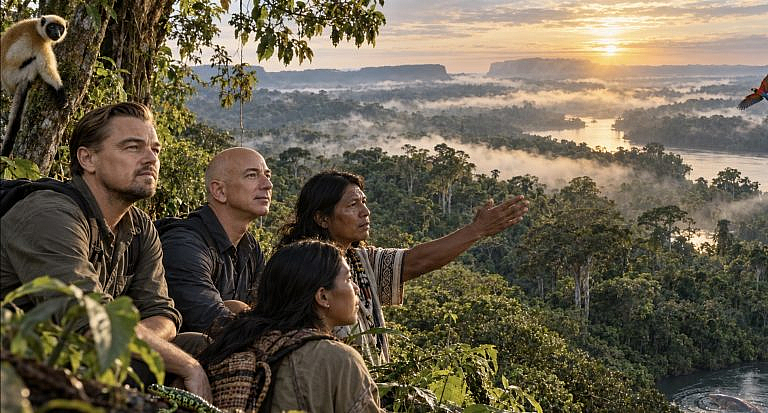
Following my journey through Mastery University, I embarked on a journey to Fiji. After months of deep work and connecting to nature and healing, some amazing lessons have been revealed. When thinking about all we take and others take, the earth gives freely to us. So when we receive anything at all in life we should give gratitude to the earth and to nature, because humanity cannot endure the endless plundering of resources without our giving back. This weighed heavily on my consciense as I expand my journey through personal freedom and abundance. Here I share with you the true and powerful reflections on nature and the nature of life.
On Gratitude, Stewardship, and the Truth About Abundance
Before there were cities, there were forests. Before highways crossed continents and skyscrapers reached into the clouds, there were rivers carving valleys, mountains weathering into fertile soil, and living ecosystems quietly performing the miracles that make civilization possible. Everything humanity has ever built began with something nature first provided. The walls of our homes were once living trees or ancient stone. The concrete beneath our feet began as limestone, sand, gravel, and water. The steel supporting our skylines came from iron ore buried deep within the Earth, while the copper carrying electricity through our homes rested underground for millions of years before human hands uncovered it.
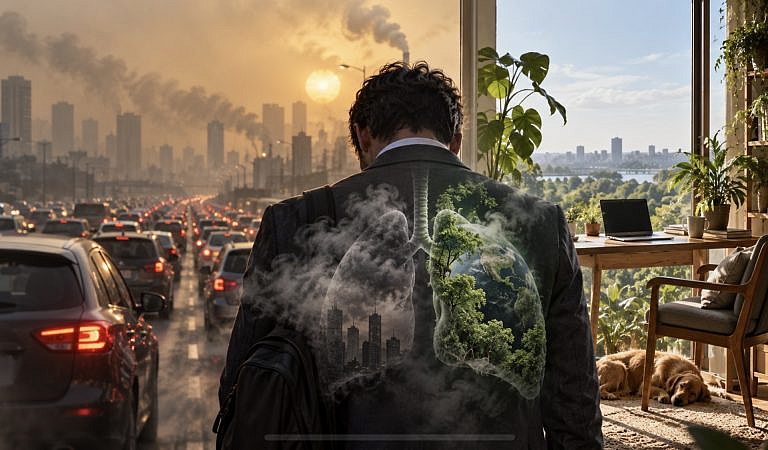
Modern life often creates the illusion that we have transcended nature. We speak of ‘natural resources’ as though they are separate from us, forgetting that we ourselves are natural beings sustained every second by the same Earth that feeds forests, whales, insects, and wildflowers. Every breath comes from living systems we did not create. Every meal represents the cooperation of sunlight, rain, soil, microbes, pollinators, farmers, transport, and countless unseen relationships. Even our digital world depends upon minerals mined from the Earth, massive data centers, water, energy, and human ingenuity. There is no modern civilization without nature.
Recognizing this changes our understanding of gratitude. Gratitude is not merely a feeling or a polite expression of thanks. It is the honest recognition that everything we possess has first been borrowed. Our lives are built upon gifts inherited from the Earth and from generations who came before us. Once we understand that truth, the question shifts from ‘How much can I take?’ to ‘How can I leave this richer than I found it?’
The Operating System of Life
Nature reveals a remarkable pattern wherever we choose to look closely. Forests are not merely collections of competing trees but interconnected communities. Rivers nourish floodplains, which in turn cleanse and replenish rivers. Flowers feed pollinators while pollinators ensure future blossoms. Predators preserve ecological balance. Fallen leaves become fertile soil, and what appears to be death becomes nourishment for new life. Life survives because everything participates in relationship.
This principle extends beyond ecology. Healthy friendships endure because generosity flows both ways. Families become resilient through sacrifice, forgiveness, and shared responsibility. Successful businesses create more value than they extract. Strong communities invest in future generations. Every healthy system depends on reciprocity. Whenever value flows in only one direction, imbalance follows. Relationships fracture, institutions lose trust, and ecosystems weaken. Reciprocity is not simply an environmental ethic; it is the invisible architecture upon which flourishing is built.
The Truth About Abundance
Perhaps no modern idea is more misunderstood than abundance. Contemporary culture often equates abundance with accumulation—more wealth, more possessions, more influence, more consumption. Nature tells a different story. The richest ecosystems are not those where one organism possesses everything. They are places where energy, nutrients, water, and life circulate continuously. A rainforest becomes abundant because every participant contributes to the flourishing of the whole.
This is the truth about abundance. Abundance is not ownership; it is participation. Wealth itself is not the enemy. Wealth can heal, educate, innovate, build hospitals, fund conservation, create opportunity, and improve lives. Yet wealth detached from reciprocity becomes extraction. Whenever individuals, companies, or civilizations continually withdraw from systems without replenishing them, invisible debt accumulates. Forests disappear, soils erode, fisheries collapse, trust declines, and communities weaken. Nature does not punish; it simply reflects consequences.
A river that refuses to flow becomes stagnant. Blood that ceases circulating becomes dangerous. Knowledge withheld dies with its owner. Love left unexpressed slowly withers. Likewise, prosperity that never returns value to the world eventually loses its deepest purpose. The universe seems to reward participation more profoundly than possession.
Gratitude Versus Theft
Most people think of theft as taking something that belongs to another person. Yet there is a broader definition that deserves our attention. Whenever we continually receive from a system while refusing to help sustain it, we create a form of theft against the future. Harvesting forests without restoring them, exhausting soils without rebuilding fertility, polluting rivers without cleaning them, consuming resources faster than they can regenerate, or profiting from communities without investing back into them all represent taking without giving.
The opposite of theft is gratitude expressed through action. Planting trees after harvesting timber. Restoring watersheds. Building products that last instead of encouraging waste. Supporting regenerative agriculture. Sharing knowledge freely. Mentoring the next generation. Designing businesses that improve the communities they serve. Gratitude is ultimately measured less by words than by stewardship.
Every Gift Creates a Responsibility
Every blessing carries an invitation. If we inherit healthy land, we become its caretakers. If we inherit knowledge, we become teachers. If we inherit prosperity, we become generous. If we receive influence, we are called to elevate others rather than ourselves alone. Reciprocity transforms ownership into stewardship. It reminds us that success is never isolated; it is supported by people, institutions, ecosystems, and opportunities we did not create.
This perspective also changes the meaning of legacy. Rather than asking how much we accumulated, we begin asking what continued to flourish because we were here. Did our work strengthen communities? Did our businesses improve lives? Did our choices leave cleaner water, healthier forests, richer soil, stronger families, wiser institutions, and greater opportunity for those who follow?
In the end …
History remembers civilizations not only for their monuments but for how they treated the land, their neighbors, and future generations. The same will be true of us. We stand at a remarkable moment in history with unprecedented technology, wealth, and influence. Those gifts can either accelerate extraction or deepen reciprocity.
The future of abundance will not be secured by taking more from the Earth but by learning to participate more fully in its flourishing. The measure of a successful life is not simply what we acquired but what continued to grow because of our presence. The measure of a prosperous business is not merely its profits but the value it creates. The measure of a healthy civilization is not how efficiently it consumes but how faithfully it regenerates.
The Earth has always been generous. Every sunrise, every harvest, every river, every forest, every breath reminds us that life itself is a gift. Our response determines the legacy we leave behind. May we become people who return more than we receive, who restore more than we consume, and who understand the deepest truth about abundance: life flourishes wherever giving and receiving remain in balance. That is reciprocity. That is stewardship. And perhaps above all else, that is the true nature of life.
About The Author