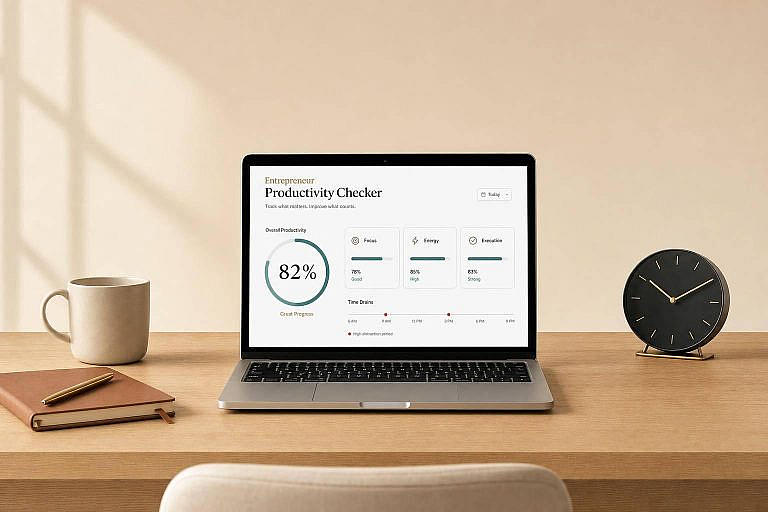

Health Routine Analyzer
Build a clearer picture of your daily habits
A Health Routine Analyzer can help people step back and look at the habits that shape how they feel day to day. Sleep, movement, meals, and stress all work together, and even small imbalances can affect energy, focus, and mood. This tool makes that picture easier to understand by turning routine details into a simple summary and a practical wellness score.
A simple way to spot what needs attention
Instead of offering harsh feedback, this wellness routine checker highlights strengths and gently points out areas that may need support. If someone is sleeping too little, exercising less than they’d like, or feeling consistently stressed, the tool can surface those patterns in a calm, approachable way. It also keeps personal goals in mind, whether that means better sleep, weight management, or creating a steadier daily rhythm.
Helpful guidance without the overwhelm
The real value of a Health Routine Analyzer is that it turns broad health advice into realistic next steps. Rather than pushing dramatic changes, it suggests small actions that feel doable. For anyone trying to improve daily well-being, a health habits review like this can be a useful starting point.
FAQs
How does the Health Routine Analyzer calculate my score?
The score is based on general wellness habits linked to everyday health, such as getting enough sleep, moving regularly, eating balanced meals, and managing stress. It doesn’t diagnose anything or replace medical advice. Instead, it offers a simple snapshot of how your current routine lines up with widely accepted healthy lifestyle patterns.
Is this tool meant to replace a doctor or dietitian?
No. This tool is designed for education and self-reflection, not diagnosis or treatment. It can help you notice patterns—like too little sleep or inconsistent exercise—but if you have ongoing symptoms, medical conditions, or specific nutrition needs, it’s best to speak with a qualified healthcare professional.
What kind of suggestions will I get?
You’ll receive small, practical ideas based on your inputs and goals. That might include going to bed a bit earlier, adding a short walk a few times a week, improving meal balance, or finding simple ways to lower daily stress. The tone is supportive on purpose, because lasting change usually starts with manageable steps, not extreme overhauls.
About The Author