
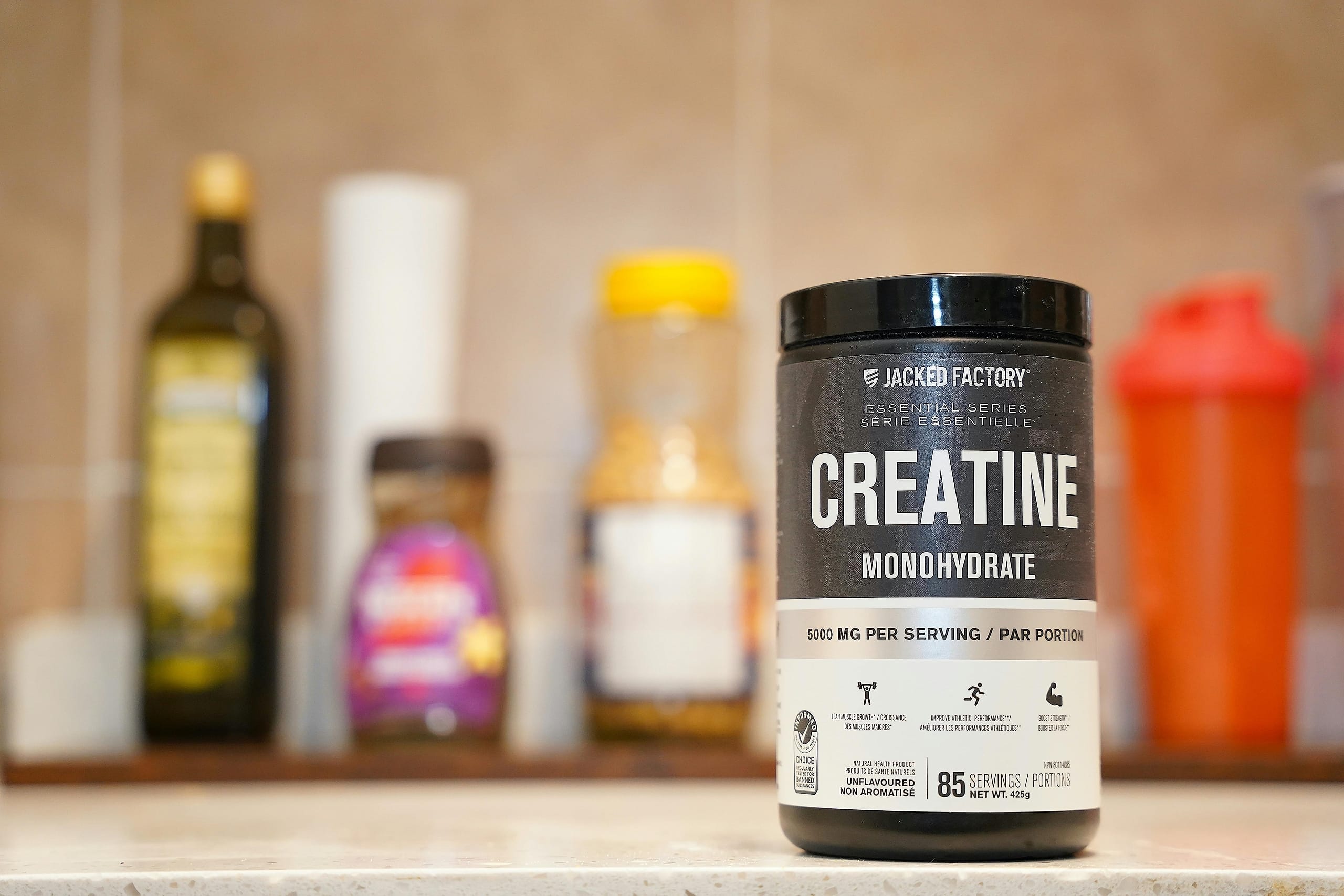
Benefits of Creatine Supplement
The Benefits of Creatine Supplement: A Clear, Fact-Checked Guide (Monohydrate vs. HCl)
Benefits of Creatine Supplement: Monohydrate vs. HCl, Dosing, Safety & Science
Explore the benefits of creatine supplements—strength, muscle, recovery and emerging brain health data. Evidence-based comparison of creatine monohydrate vs. creatine HCl, with dosing, safety and who each is best for.
creatine monohydrate, creatine HCl, dosing, safety, cognition, athletes, older adults
Creatine is one of the most studied supplements in sports nutrition. For decades, creatine monohydrate (CrM) has been the gold standard for improving high-intensity performance, strength, and lean mass; more recently, creatine hydrochloride (Cr-HCl) has gained attention for its higher solubility and marketing claims. This article brings together the latest evidence on the benefits of creatine supplement use—how it works, what’s proven, what’s promising, and how monohydrate truly compares to HCl—so you can decide what fits your goals and health context. BioMed Central+1
What creatine does—and why it helps performance
Creatine is stored largely in muscle as free creatine and phosphocreatine (PCr). During short, intense efforts (sprints, lifts), PCr donates phosphate to regenerate ATP—the cell’s immediate energy currency—allowing you to squeeze out extra reps or sustain power a bit longer. With regular training, that small performance edge compounds into measurable gains in strength and lean mass. Position stands from the International Society of Sports Nutrition (ISSN) consistently find creatine effective and generally well-tolerated when used as directed. BioMed Central+1
Core, well-supported benefits of creatine monohydrate
1) Strength, power, and lean mass
Across randomized trials and meta-analyses, creatine (especially monohydrate) improves maximal strength, power output, and lean mass, particularly when paired with resistance training. Benefits show up in adults under 50 and in older adults when combined with lifting. mdpi.com+2sciencedirect.com+2
2) Support for older adults
In people 48–84, adding creatine to strength training modestly increases lean mass and strength; without training, effects are far smaller to none—so exercise remains the driver. For healthy aging and functional capacity, the pairing matters. The Washington Post+1
3) Vegetarians and low-creatine diets may respond more
Vegetarians start with lower baseline muscle creatine; several studies suggest they experience larger increases in muscle phosphocreatine—and sometimes performance—after supplementation. pmc.ncbi.nlm.nih.gov+1
4) Glycogen and recovery (emerging but intriguing)
Some controlled work shows creatine can augment post-exercise muscle glycogen super-compensation when combined with carbohydrate, potentially aiding recovery from hard training. Findings are mixed across studies but promising for endurance blocks or two-a-days. pmc.ncbi.nlm.nih.gov+1
5) Brain & cognition (growing evidence)
Recent systematic reviews suggest creatine may benefit certain cognitive domains (memory, attention, processing speed), with signals strongest in sleep-deprived states, vegetarians, and some older adults. The field is young but trending positive. PubMed+2Frontiers+2
Safety: what the evidence really says
Creatine is one of the most researched dietary supplements. Large reviews and position stands report it is generally safe for healthy people at recommended doses (typically 3–5 g/day). Notably:
Kidneys: Genetic and observational data (including Mendelian randomization) and controlled trials do not show creatine harms renal function in healthy users; it can raise serum creatinine (a breakdown product) without indicating damage. People with pre-existing kidney disease should consult a clinician. pmc.ncbi.nlm.nih.gov+1
Cramps/heat illness: Contrary to gym lore, controlled data in athletes show no increase—and sometimes a lower incidence—of cramping and heat illness with creatine use during training seasons. BioMed Central
Hair loss: Newer randomized data do not support creatine raising DHT or accelerating hair loss. Earlier concerns came from a small study of hormonal markers rather than hair changes. PubMed
Updated safety analyses and an ISSN 2025 position paper reinforce the favorable safety profile of creatine in sport and clinical contexts when taken as directed. pmc.ncbi.nlm.nih.gov+1
Creatine monohydrate vs. creatine HCl: what’s the difference?
Solubility and dosing
Creatine HCl is more soluble in water than monohydrate. That’s a chemistry fact many brands highlight. But higher solubility doesn’t automatically mean better results in humans. Monohydrate’s solubility is adequate (and improves with warm water), and adding carbs/protein or sodium can further aid uptake. pmc.ncbi.nlm.nih.gov
Performance and bioavailability
A 2024 narrative review comparing forms concludes that there’s no convincing evidence that creatine HCl improves performance or muscle creatine content more than monohydrate. Given HCl’s higher price, researchers recommend sticking with monohydrate for efficacy and economy. pmc.ncbi.nlm.nih.gov
GI comfort
Some users find HCl gentler on the stomach—likely because smaller serving sizes fully dissolve. If you experience GI upset with monohydrate, split doses, stir into warm liquid, or take with a meal before switching forms; many people tolerate CrM well using those tactics. Evidence that HCl reduces side-effects better than these simple fixes is limited. pmc.ncbi.nlm.nih.gov
Bottom line: For most, creatine monohydrate remains the best-studied, most cost-effective, first-line choice. HCl is an option if you strongly prefer tiny, fully dissolved doses—but don’t expect superior physiological outcomes. pmc.ncbi.nlm.nih.gov
Dosing, timing, and how to take creatine (evidence-based)
Classic loading + maintenance (fastest saturation):
~0.3 g/kg/day (about 20 g/day) split into 4 doses for 5–7 days, then 3–5 g/day to maintain. This saturates muscles quickly. BioMed CentralSlow-and-steady (no loading):
3–5 g/day; full saturation takes ~3–4 weeks, but results converge over time. pmc.ncbi.nlm.nih.govTiming:
Consistency beats timing. If you want to optimize, some evidence and expert guidance favor taking creatine near training and/or with carbs/protein to enhance uptake. Verywell Health+1Hydration:
Stay well hydrated, as you would with any active training program. Controlled data do not support increased dehydration or cramping risk from creatine. BioMed CentralQuality:
Choose pure creatine monohydrate from brands with third-party testing (e.g., NSF/USP/Informed-Sport). This minimizes contaminants and label errors. (General safety guidance derived from consensus positions.) BioMed Central
Holistic health view: beyond the barbell
The benefits of creatine supplement use extend beyond weight rooms. Research (much of it emerging) explores brain health, mood, metabolic recovery and functional aging. Here’s where the science stands:
Brain health & cognition
Systematic reviews in adults—especially older adults, vegetarians, or the sleep-deprived—suggest creatine can improve memory, attention, and processing speed. It’s not a cognitive “cure-all,” but the signal is encouraging and biologically plausible (brain PCr supports ATP during energy-demanding tasks). PubMed+2Frontiers+2
Mood & depression (adjunctive, early-stage)
Small randomized trials adding creatine to SSRI therapy in women showed faster and greater symptom improvement than SSRI alone; brain-imaging work hints at neurochemical changes (e.g., increased prefrontal N-acetylaspartate). This is adjunctive evidence, not a stand-alone treatment, and larger trials are needed. Always work with a clinician for mental health care. pmc.ncbi.nlm.nih.gov+1
Concussion/TBI (experimental)
Animal and limited human data suggest creatine might buffer energy crises after mild brain injury, potentially reducing some symptoms; clinical trials are underway. It’s not an approved treatment, but the mechanism is compelling. pmc.ncbi.nlm.nih.gov+1
Healthy aging & function
In older adults, creatine paired with resistance training supports muscle function and may assist fall prevention indirectly via strength and power. Effects on bone density are inconsistent; some studies show no significant BMD change, others signal potential benefit with year-long training. pmc.ncbi.nlm.nih.gov+2pmc.ncbi.nlm.nih.gov+2
Metabolic support & glycogen
As noted above, creatine can enhance glycogen resynthesis post-exercise in some contexts—relevant if you train or compete frequently. pmc.ncbi.nlm.nih.gov
Comparing forms through a holistic lens
| Question | Creatine Monohydrate | Creatine HCl |
|---|---|---|
| Evidence base | Decades of trials across athletes, older adults, emerging cognition/clinical adjuncts | Limited human outcomes; better solubility but no proven superiority |
| Effectiveness | Strong, consistent improvements in strength, power, lean mass with training | Works as a creatine source but not better than CrM for performance |
| Tolerability | Generally good; GI upset minimized with split doses/warm liquids/with food | Some users report smoother GI due to tiny doses; evidence is anecdotal |
| Cost | Lowest cost per effective gram | Typically higher cost |
| Best for | Most people, first choice | Those who insist on very small, fully dissolved servings and don’t mind paying more |
Sources for table claims. pmc.ncbi.nlm.nih.gov+3BioMed Central+3BioMed Central+3
Who benefits most from creatine?
Lifters & sprinters: The classic use case—more reps, power, and progress over months. BioMed Central
Adults 50+ who strength train: Helps maintain muscle and function with training—think getting up faster, carrying groceries more easily. The Washington Post
Vegetarians/low-meat eaters: Often larger increases in muscle PCr and sometimes performance after supplementation. pmc.ncbi.nlm.nih.gov
High training loads / tournaments: Possible recovery assist via glycogen on back-to-back days. pmc.ncbi.nlm.nih.gov
Select cognitive contexts: Sleep deprivation, high cognitive load, and some older-adult scenarios show modest cognitive benefits. PubMed
Practical guide: building creatine into a healthy routine
Pick your form:
Start with creatine monohydrate from a third-party-tested brand. Consider micronized CrM for easier mixing. BioMed CentralDecide on dosing strategy:
Fast track: 20 g/day split (4×5 g) for 5–7 days, then 3–5 g/day.
Or steady: 3–5 g/day from day one—simpler, saturates in a few weeks. BioMed Central+1
Take it consistently:
Daily adherence matters more than perfect timing. If you want to optimize, take it near workouts and/or with carbs/protein. Verywell Health+1Hydrate and train:
Creatine works best with resistance training and good hydration. Evidence does not show increased dehydration or cramping risk. The Washington Post+1Monitor and personalize:
If you get GI upset, switch to smaller doses, dissolve in warm liquid, or pair with meals. If issues persist and you value tiny serving size, HCl is an option—just note it’s not more effective in outcomes. pmc.ncbi.nlm.nih.gov+1Talk to your clinician if you have conditions or take medications:
Creatine is generally safe, but anyone with kidney disease, on nephro-active meds, or managing complex conditions should consult a professional. sciencedirect.com
Creatine Supplement FAQ: “benefits of creatine supplement”
Is creatine safe for long-term use?
Yes for healthy adults at recommended doses. Large reviews and society position stands report good safety; it may raise serum creatinine without harming kidneys. People with kidney disease should seek medical advice. BioMed Central+1
What are the real-world benefits of creatine monohydrate?
Improved strength, power, and lean mass with resistance training; promising signals for cognition (certain groups) and potential help with glycogen recovery. mdpi.com+2PubMed+2
Is creatine HCl better than monohydrate?
No. Despite being more soluble, current evidence doesn’t show superior performance or uptake vs. monohydrate. HCl mostly costs more. pmc.ncbi.nlm.nih.gov
Do I need to “load” creatine?
Not required. Loading saturates faster; 3–5 g/day without loading works over several weeks. BioMed Central+1
Does creatine cause cramping, dehydration, or hair loss?
Controlled data do not support higher rates of cramps/dehydration; a recent RCT found no effect on DHT or hair loss. BioMed Central+1
Can creatine help my brain?
Possibly. Systematic reviews show modest cognitive benefits in some contexts, especially for vegetarians/older adults, but more large trials are needed. PubMed+1
Final take: choosing the right creatine for your goals
If your goal is proven performance and value, choose creatine monohydrate. It’s the best-supported and most cost-effective form for increasing strength, power, and lean mass—and it carries a strong safety record in healthy users. BioMed Central+1
If you’re highly GI-sensitive and prefer tiny, fully dissolved servings, creatine HCl is a reasonable alternative—but don’t expect more results than monohydrate. pmc.ncbi.nlm.nih.gov
For holistic health, creatine pairs well with resistance training, adequate protein, sleep, hydration, and whole-food nutrition. On the brain side, early evidence is promising but not definitive—think “adjunct,” not “miracle.” PubMed
Used thoughtfully, the benefits of creatine supplement use can reach from the weight room to healthy aging—and potentially into brain health—all while remaining one of the most rigorously studied, reliably effective tools in the modern nutrition toolkit.
Key sources & further reading
ISSN Position Stands (safety & efficacy, dosing): 2017 stand; 2021 FAQ/misconceptions; 2025 update summary. BioMed Central+2BioMed Central+2
HCl vs. Monohydrate evidence: 2024 review—no clear advantage of HCl over monohydrate. pmc.ncbi.nlm.nih.gov
Cognition: 2024 systematic review/meta-analysis; 2025 review in older adults. PubMed+1
Kidney safety: 2019 systematic review; 2024 Mendelian randomization. sciencedirect.com+1
Glycogen & recovery: 2016 controlled study; summary review. pmc.ncbi.nlm.nih.gov+1
Cramps/heat illness: Controlled athlete data show no increased risk. BioMed Central
Vegetarians: Responses can be larger due to lower baseline creatine. pmc.ncbi.nlm.nih.gov
Disclaimer: This article is for informational purposes and not medical advice. If you have kidney disease, are pregnant/breastfeeding, or take prescription medications, consult your healthcare professional before using creatine.
About The Author