DJ DIesel
Shaquille O’Neal’s evolution into DJ Diesel is a rare case of a global sports icon earning genuine respect in one of music’s most aggressive subcultures: modern bass-heavy EDM. Far from a novelty act, he has built a second prime through relentless touring, festival main stages, and a mindset that treats every set like a Game.
Early roots in music
Long before the booths and festival pyrotechnics, Shaq’s identity as an entertainer was forged through hip‑hop and turntables. As a teenager he saved up for his first decks, and in 1993 he released the rap album “Shaq Diesel,” which went platinum and made him the first athlete with a record certified at that level. That background matters in the EDM conversation because it undercuts the “celebrity tourist” narrative; DJ Diesel grew out of a real history with DJ culture and recorded music.
The TomorrowWorld turning point
The modern DJ Diesel era traces back to a single festival moment: TomorrowWorld 2014. Shaq has described being in that crowd of tens of thousands, watching acts like Steve Aoki and Skrillex, and realizing that the energy felt exactly like the playoffs—fans screaming, bass rattling, bodies moving as one. That experience led him to lobby for a slot at
TomorrowWorld’s sister festival in 2015, where he debuted DJ Diesel to the EDM world and began the process of proving he was more than just an NBA legend behind the decks.
Mindset: chasing the Game 7 rush
What makes DJ Diesel compelling isn’t just the spectacle of a 7’1″ Hall of Famer in the booth; it is the way he mentally connects basketball and bass music. Shaq has said that DJing recreates the adrenaline surge he used to feel in championship games, and that once basketball ended he needed a new arena that demanded the same intensity and crowd connection. He approaches sets with an athlete’s discipline by sending mixes to managers until they believed he was “the real deal,” studying the craft, and treating every show as if fans paid to see him deliver a career‑defining performance.
Building DJ Diesel as a serious project
From that first TomorrowWorld booking, DJ Diesel evolved quickly into a fully‑formed bass project rather than a side hobby. He launched the “Summer of Shaq” tour, built out his own Shaq’s Fun House brand that fuses carnival chaos with high‑octane EDM, and began stacking festival credentials at juggernauts like Tomorrowland, EDC Las Vegas, Lost Lands, Lollapalooza, Electric Zoo, and more. Collaborations with producers such as NGHTMRE, Lil Jon, Steve Aoki, Riot Ten, Sullivan King, and others helped signal to the scene that Diesel was willing to be judged on original music and heavy sets, not just nostalgia.
Proving authenticity in a skeptical scene
Bass music fans are notoriously protective of their culture, and Shaq’s team knew from day one that authenticity would be the central battle. Managers have spoken about intentionally placing him at credibility‑driven events like Lost Lands and Tomorrowland and pairing him with respected collaborators to show that Diesel was committed, not coasting. Over time, videos of chaotic mosh pits, rail‑rattling drops, and Shaq himself jumping into the crowd helped flip skepticism into acceptance, with many fans now referring to him as a “dubstep dad” and a festival must‑see rather than a novelty booking.
The DJ Diesel live experience
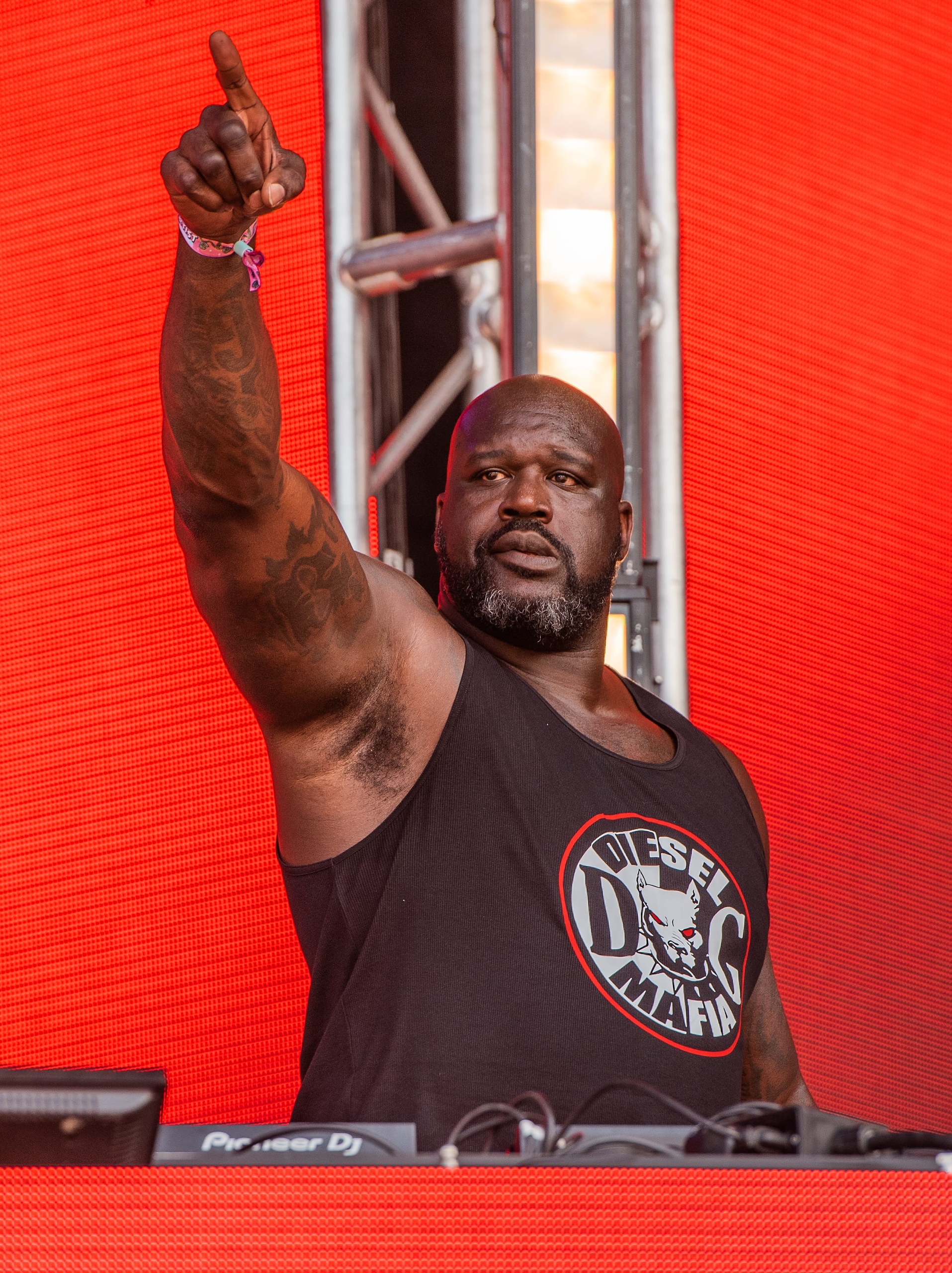
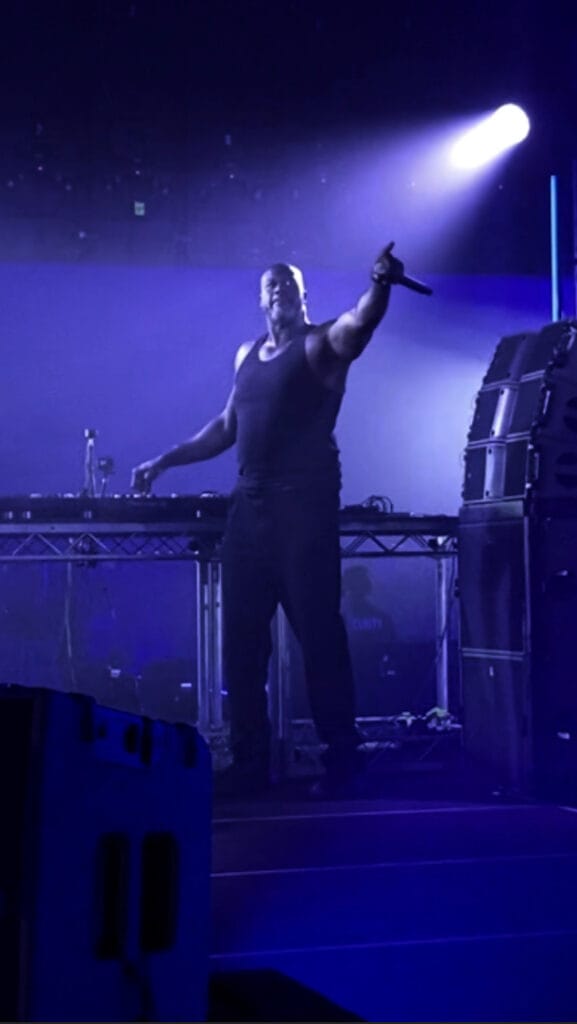
A DJ Diesel set is built around excess: towering sub‑bass, neck‑snapping drops, and a physical presence that dominates even the biggest stages. He leans into trap and dubstep while threading in hip‑hop flavors, matching the sound to his persona and inviting the crowd into a kind of contact sport of headbanging and mosh pits. That live formula has translated into residencies at elite venues like Wynn’s XS Nightclub and Encore Beach Club in Las Vegas, where he has become a staple attraction among traditional EDM headliners.
From Rawhide in Phoenix to college fields
The Rawhide Event Center show in the Phoenix area, where Legendary Life Media captured DJ Diesel on stage, is part of a broader strategy: take Shaq’s Bass All‑Stars and high‑impact sets to markets that crave heavy music. Events like SHAQ’s Bass All‑Stars at Rawhide and his headlining role in university events such as the Post/Move concert on the University of Arizona’s Bear Down Field blend basketball heritage with bass culture, literally bringing hoops fans into the rave. For Phoenix specifically, his long‑standing connection to Arizona from his time with the Suns adds another layer, turning these shows into homecoming‑style celebrations where NBA memories and EDM catharsis collide.
Emotional stakes after retirement
Beyond the spectacle, Shaq has framed DJ Diesel as a lifeline in the emotional vacuum that can follow a superstar’s retirement. He has spoken about how stepping into the booth in front of tens of thousands recreated a sense of purpose and adrenaline, describing DJing as something that “saved” him after leaving the league. That vulnerability resonates with fans who see not only a champion reinventing himself but also a reminder that reinvention at any age can be driven by passion, curiosity, and willingness to start over at the bottom of a new ladder.
Reception in the EDM community
Today, the consensus across much of the scene is that DJ Diesel is not simply a former athlete cashing in, but a genuine force in bass music. Festival lineups regularly bill him alongside top‑tier dubstep and trap acts, and scene media have highlighted how his sets match or exceed the intensity of younger peers while drawing crossover crowds who might never have otherwise entered a rave. Social chatter from events like Tomorrowland, Vegas pool parties, and bass festivals is filled with fans calling him a “legend” and praising both his energy and his willingness to interact with crowds before and after shows.
About The Author