
Benefits of personal brand
Personal branding online is about shaping how others perceive your skills, expertise, and values in the digital world. This guide explains how to build a strong online presence, set yourself apart in your niche, and leverage tools to grow your influence. Here’s the key takeaway:
- Why it matters: 70% of companies use LinkedIn for hiring, and 60% of consumers prefer familiar brands. Your online brand can open doors to opportunities like speaking gigs, consulting, and more.
- Getting started: Define your strengths, identify your niche, and understand your audience. Use a personal SWOT analysis to outline your skills, challenges, and opportunities.
- Set goals: Be specific – e.g., “Gain 5,000 LinkedIn connections in 12 months by posting 3 times weekly.”
- Key tools: Platforms like LinkedIn, Instagram, and YouTube help amplify your message. Tools like Canva streamline content creation, while analytics platforms track your progress.
- Consistency matters: Align your messaging, visuals, and tone across platforms. Regularly review feedback and adjust your strategy to stay relevant.
Building a personal brand is an ongoing process that requires clarity, focus, and effort. By following these steps, you can create a lasting impression and achieve your professional goals.
Building the Foundation of a Strong Personal Brand
Creating a strong personal brand starts with understanding yourself and setting clear goals. Think of it as laying the groundwork for everything you’ll build moving forward.
Self-Discovery: Identifying Your Core Strengths
The first step is figuring out what makes you, you. This isn’t about crafting an image – it’s about uncovering the qualities and values that genuinely define you.
Ask yourself: What makes you stand out in your field? What problems are you uniquely equipped to solve? How have your life experiences shaped your perspective? The answers to these questions form the heart of your personal brand.
A personal SWOT analysis (Strengths, Weaknesses, Opportunities, Threats) can be a helpful tool here. Write down your Strengths (skills, expertise, personality traits), Weaknesses (areas where you could improve), Opportunities (gaps in your industry or emerging trends), and Threats (competitors or changes in the market). This exercise not only highlights what you excel at but also helps you discover where you can provide something others can’t.
Be specific about your accomplishments. For example, instead of saying, “I’m good at sales,” try something like, “I increased regional sales by 35% in 18 months” or “closed $2.3 million in new business in 2024.” Numbers make your achievements more concrete and easier for others to remember.
Once you’ve pinpointed your strengths and value, the next step is to identify the niche where your skills and expertise shine.
Defining Your Niche and Audience
The most successful personal brands focus on a specific niche and speak directly to a well-defined audience. This clarity not only strengthens your message but also makes you more credible in your field.
Your niche should sit at the intersection of what you’re passionate about, what you’re skilled at, and what the market is looking for. For instance, you could be a marketing professional who specializes in healthcare startups or a financial advisor helping first-time homebuyers. Being specific helps you stand out in a crowded marketplace.
Understanding your audience is just as important as defining your niche. Go beyond surface-level demographics like age or location. What challenges do they face? What are their goals? How do they prefer to communicate? For example, if you’re targeting C-suite executives, you might focus on LinkedIn, where efficiency and professionalism are key. On the other hand, if your audience includes creative professionals, platforms like Instagram with its visual storytelling may be more effective.
To make this process even clearer, consider creating detailed audience personas. Give each persona a name, background, and specific challenges they face. This exercise ensures your content connects with the right people and helps you determine where to focus your efforts online.
Setting Goals for Your Personal Brand
Once you’ve clarified your niche and audience, it’s time to set specific goals that will drive your personal brand forward. Without clearly defined goals, it’s easy to lose focus or come across as inconsistent – two things that can derail your branding efforts.
Start by reflecting on your purpose and values. What do you care about? How do you want to be seen? What makes you stand out? These questions lay the foundation for all your branding decisions.
Next, think about how you want to be known. Where do you see yourself in five or ten years? What qualities or expertise do you want people to associate with your name? This vision acts as your guiding light, helping you make decisions about the content you create, the partnerships you pursue, and the opportunities you accept.
Create a clear value proposition – essentially, a statement that defines who you are and what you bring to the table. For example: “I help tech startups scale their marketing operations from $1M to $10M in revenue using data-driven growth strategies.”
Your goals should be specific, measurable, and time-bound. For instance, instead of saying, “I want to grow my LinkedIn following,” set a target like, “Gain 5,000 relevant LinkedIn connections in the next 12 months by posting three times a week and engaging with 20 industry posts daily.” This level of detail not only helps you track progress but also keeps your actions focused.
Remember, personal branding isn’t a one-and-done project. It’s an ongoing process that evolves as your career and the online world change. Regularly reviewing your progress – perhaps every quarter – can help you fine-tune your strategy and stay on track.
Lastly, tie your goals to real, measurable outcomes. Whether you’re aiming to land speaking gigs, attract new clients, or secure a promotion, make sure your branding efforts align with tangible results. This approach keeps your strategy grounded and demonstrates the real value of investing in your personal brand.
Key Tools and Platforms for Personal Branding
Once you’ve laid the groundwork for your personal brand, it’s time to explore tools that can help amplify your presence online. With countless options out there, focusing on a select few can help you build a strong and consistent image without feeling overwhelmed.
Social Media Platforms for Branding Success
LinkedIn is a go-to platform in the U.S. for professional branding. It’s perfect for networking and showcasing your expertise, thanks to its publishing features and search visibility. To stand out, share industry insights, personal stories, and lessons learned – don’t just stick to company updates. Incorporating storytelling and using LinkedIn’s native video tools can also help you connect with your audience on a deeper level.
Instagram shines when it comes to visual storytelling. If your brand thrives on visuals, this platform can add a personal, approachable touch. To make an impact, focus on a cohesive look – consistent filters, a clear color palette, and a regular posting schedule. Tools like Instagram’s Creator Studio can help you plan and schedule posts, ensuring your feed stays active and polished.
Twitter (now X) is ideal for real-time conversations and establishing thought leadership, especially in industries like tech, finance, and media. Its format encourages short, impactful messages, while Twitter threads let you dive into more complex ideas in a conversational way.
YouTube is the ultimate platform for showcasing your expertise through video content. It’s a great way to build trust, as viewers can see and hear you directly. Plus, YouTube videos often rank well in search results, giving your brand added visibility.
Using these platforms together allows you to share your voice in different formats and reach a broader audience.
Content Creation and Visual Branding with Canva
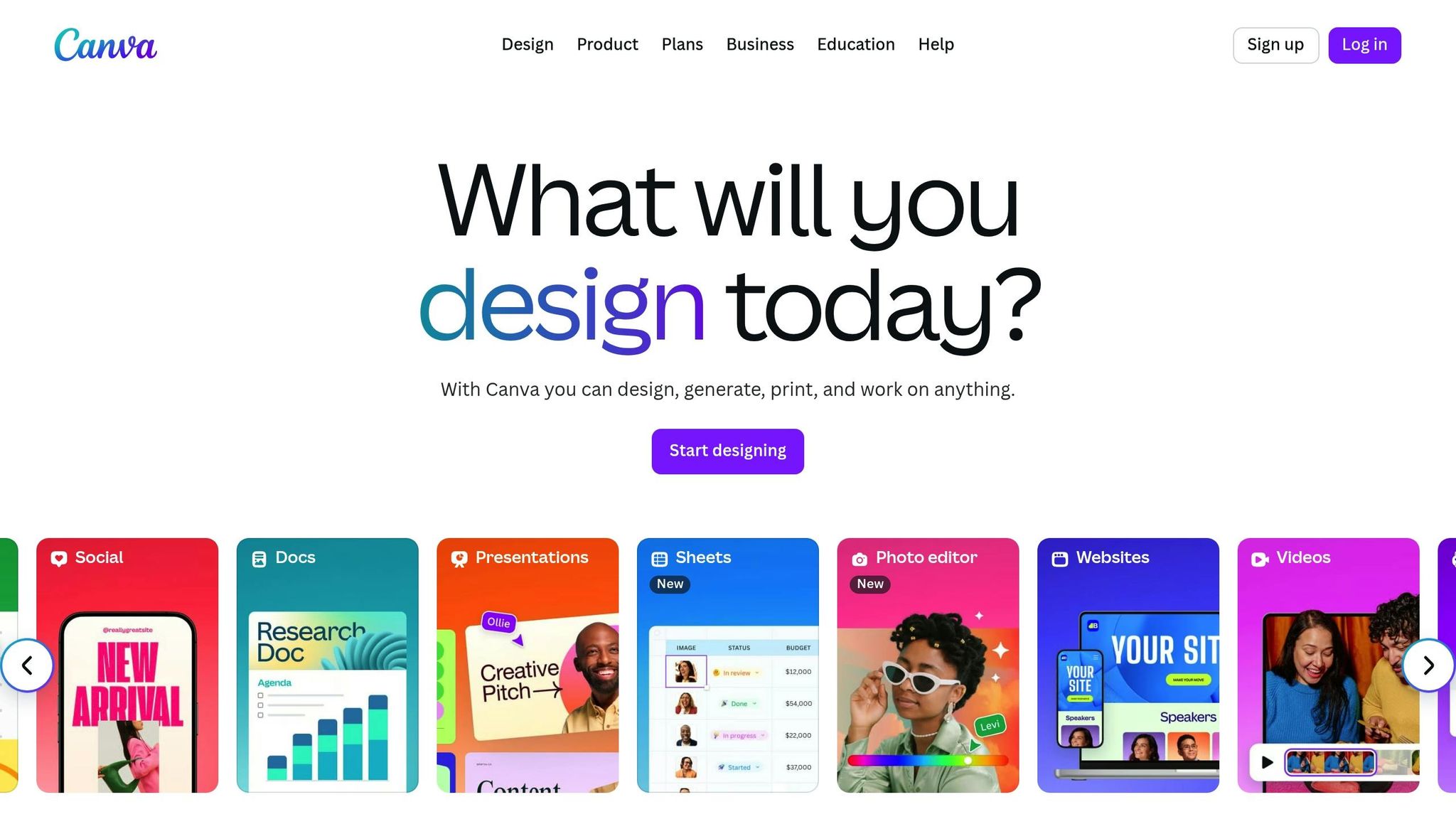
Canva is a game-changer for creating professional-looking visuals, even if you’re not a designer. It offers templates tailored to social media dimensions, so you don’t have to guess about sizes. Features like the Brand Kit and Magic Resize make it easy to maintain a consistent look across platforms.
For those looking to take their branding up a notch, Canva Pro offers tools like background removal, premium templates, and the ability to create custom designs. It’s also great for creating slide decks for presentations, business cards, and other branded materials, ensuring your brand identity stays consistent across all touchpoints.
Beyond just creating content, continuous learning and staying inspired are essential for personal branding.
Personal Branding Resources for Growth
Books, courses, and podcasts can provide valuable insights and strategies for growing your brand:
- Books: Gary Vaynerchuk’s Crushing It! offers actionable tips and real-world examples, while Michael Hyatt’s Platform breaks down online branding into manageable steps. Austin Kleon’s Show Your Work! emphasizes the importance of sharing your journey, an approach that works well on platforms like Instagram and LinkedIn.
- Online Courses: Platforms like LinkedIn Learning and Coursera offer personal branding courses. LinkedIn Learning classes can even be displayed on your profile, showcasing your commitment to professional development. Coursera’s courses, often created in partnership with universities, include peer feedback, giving you a chance to understand how others perceive your brand.
- Podcasts: Shows like The Tim Ferriss Show and Smart Passive Income feature successful entrepreneurs sharing actionable branding tips.
- Tools: Resources like Buffer provide free social media calendars, posting schedules, and analytics to help you stay consistent and informed.
The key to success is selecting tools and platforms that align with your goals and audience, then using them consistently to build a lasting impression.
Practical Strategies for Growing and Managing Your Brand
Building a strong personal brand takes more than just showing up online – it demands thoughtful content, consistent messaging, and smart reputation management. The brands that truly stand out are those that master these essentials while staying aligned with their core values.
Creating Engaging Content
At the heart of every successful brand is engaging content. It’s not about posting for the sake of it; it’s about offering real value. Whether you’re solving problems, sharing expertise, or simply entertaining, your content should reflect your skills and resonate with your audience.
Video is a powerful tool across many platforms. Short educational clips, behind-the-scenes glimpses, or quick tips related to your field can grab attention and hold it. The key isn’t flashy production – it’s content that feels genuine and worthwhile.
Storytelling is another game-changer. By sharing personal challenges or lessons learned, you can create emotional connections that make your posts memorable. People are drawn to stories because they reveal the person behind the brand.
Posting consistently, especially during peak engagement times, can also make a big difference. Interactive elements like polls or Q&A sessions can encourage active participation, making your audience feel more involved.
Finally, reinforce your content with consistent visuals and messaging. A unified look and tone make your brand instantly recognizable.
Maintaining Consistency
Once you’ve got engaging content, the next step is consistency. A cohesive presence across platforms makes it easier for your audience to connect with you.
Your messaging should reflect your core values and expertise at all times. If you’re positioning yourself as a coach or advisor, for instance, every post should reinforce that identity. Avoid veering into unrelated topics that might confuse your audience.
Voice and tone matter just as much. Whether you’re professional and authoritative, approachable and friendly, or bold and outspoken, keeping your tone uniform across platforms helps build trust and familiarity.
One way to stay consistent is by planning ahead. A content calendar can help you organize themes and schedule posts in advance. Some brands even assign specific days to certain types of content – like “Motivation Monday” or “Tip Tuesday” – to streamline their efforts.
Regular brand audits are also essential. Take time to review your profiles and recent posts to ensure they align with your brand’s identity. If something feels off or outdated, update it or remove it entirely.
Reputation Management and Feedback Response
Protecting your brand’s reputation requires vigilance and a proactive approach. Set up alerts for your name and periodically search for mentions on social media. Catching potential issues early allows you to address them before they grow into bigger problems.
When it comes to feedback, timing is everything. Responding quickly to criticism or constructive comments shows professionalism and a willingness to engage. Even if you need more time for a detailed response, acknowledging the feedback promptly can make a big difference.
Thanking people who offer constructive feedback and sharing what you’ve learned can also enhance your reputation. It demonstrates humility and a commitment to improvement.
How you handle criticism speaks volumes about your brand. Stay calm, acknowledge valid points, and, if necessary, move more complex discussions to private channels. Observers will notice your professionalism in handling difficult situations.
Keep track of recurring themes in the feedback you receive. This can highlight areas for growth and show your audience that you’re serious about evolving.
Lastly, know when not to engage. Some feedback is purely negative or intended to provoke. In those cases, ignoring or blocking such comments might be the best option to maintain focus on meaningful interactions.
Building and managing a personal brand is an ongoing process. By following these strategies, you can balance authenticity with professionalism, ensuring your brand grows in a way that resonates with your audience.
sbb-itb-fc951a8
Recommended Tools and Resources
Once you’ve established your strategies and started creating content, the right tools can make all the difference in bringing your vision to life. The right tools simplify your personal branding efforts, making them more effective and efficient. When choosing, focus on tools that align with your goals and fit within your budget. Below is a quick comparison of some top options to help you decide.
Comparison Table of Personal Branding Tools
| Tool/Service Name | Function | Pricing (USD) | Key Features |
|---|---|---|---|
| Canva | Visual content creation | Free – $14.99/month | 250,000+ templates, brand kit, background remover, video editing |
| LinkedIn Premium | Professional networking | $29.99 – $79.99/month | InMail credits, advanced search, profile insights, learning courses |
| Buffer | Social media scheduling | $6 – $120/month | Multi-platform posting, analytics, team collaboration, content calendar |
| Hootsuite | Social media management | $99 – $739/month | Advanced analytics, team workflows, social listening, bulk scheduling |
| Legendary Life Media | Community & specialized resources | Varies by service | Travel experiences, business funding, exclusive workshops, curated content |
Canva is a go-to tool for anyone looking to create professional visuals without needing advanced design skills. The free plan meets basic design needs, while the Pro version offers additional features like a brand kit and premium templates.
LinkedIn Premium is perfect for enhancing your professional presence. It provides tools like InMail credits, profile insights, and advanced search features, making it easier to network and grow your career or business. Plans range from basic options to the Sales Navigator, which costs around $79.99/month.
Buffer simplifies social media management, offering scheduling and analytics tools that are particularly useful for solopreneurs or small businesses aiming to maintain an active online presence.
For larger teams or businesses, Hootsuite provides a more comprehensive solution. It includes advanced analytics, team workflows, and bulk scheduling, making it ideal for managing multiple accounts and campaigns.
For a more specialized approach, Legendary Life Media offers unique resources that go beyond traditional tools.
Using Legendary Life Media‘s Features
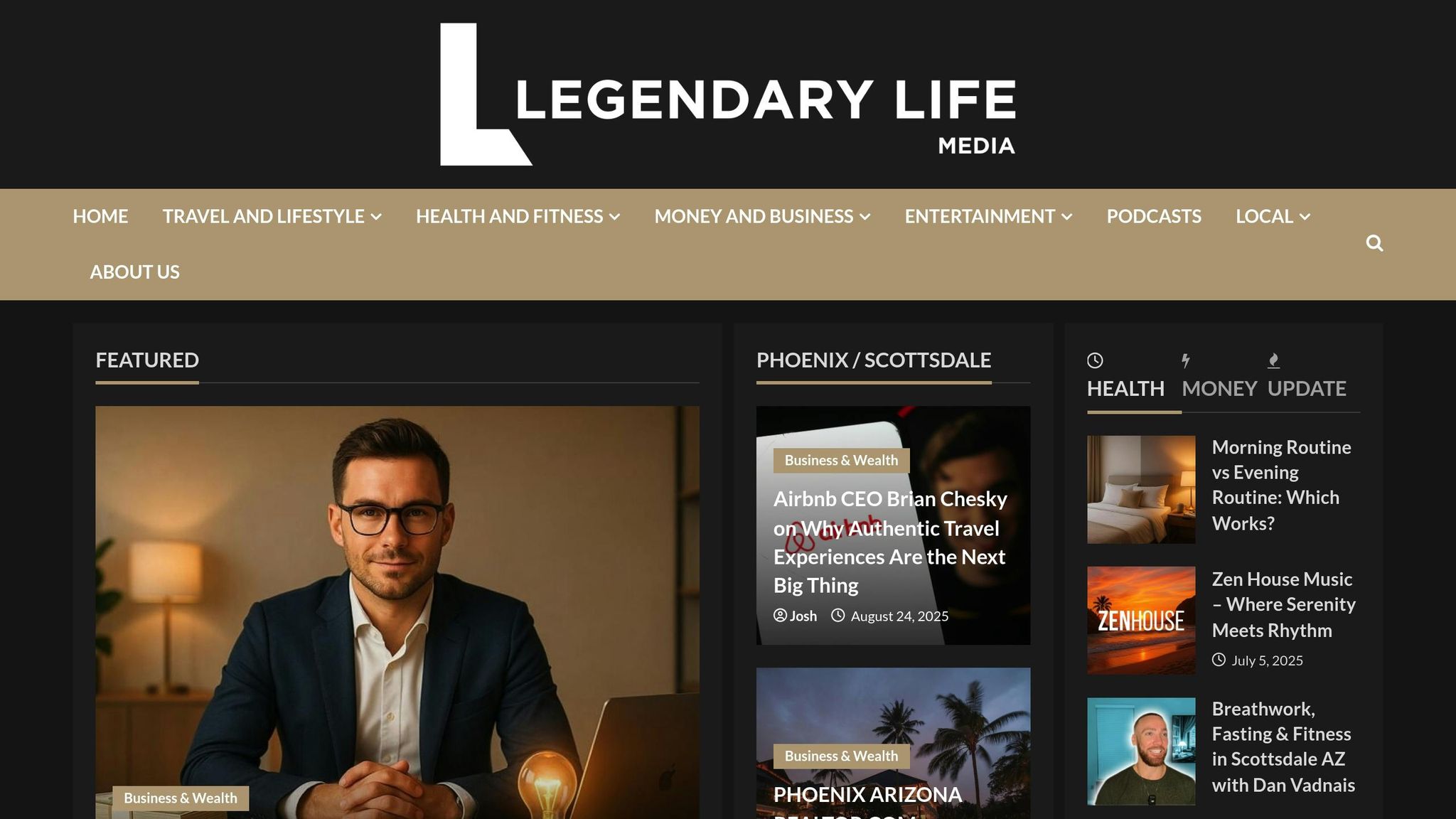
Legendary Life Media combines practical business tools with community-building resources, offering a unique way to strengthen your brand. Here’s what sets it apart:
- Exclusive Events and Workshops: Join expert-led events and targeted networking opportunities to expand your reach.
- Community Forums: Build your authority and connect with like-minded professionals in your field.
- Business Funding Options: Access funding solutions like 0% interest credit lines or revenue-based funding to support your growth.
- Curated Content and Guides: Stay up-to-date with industry trends and find inspiration for your own projects.
- Travel Experiences: Participate in one-of-a-kind travel opportunities that provide fresh content and visuals for your brand.
Start by identifying your immediate needs and future goals. Use essential tools like Canva or LinkedIn Premium to lay the groundwork, and consider expanding with more advanced options like Legendary Life Media as your brand evolves. With the right mix of resources, you can create a strong, lasting online presence that delivers results.
Measuring and Adjusting Your Personal Brand Strategy
Creating a personal brand isn’t a one-and-done task. It’s more like maintaining a garden – you need to check in regularly, see what’s thriving, and make adjustments when something’s not working. The secret to building a brand that lasts is keeping an eye on the right metrics and being open to change when trends or feedback suggest it’s time. This ongoing process helps you figure out what’s clicking, what’s falling flat, and where you should focus your energy for the best results.
Tracking Metrics to Measure Branding Success
Using data to track your brand’s performance can offer a clear picture of how well you’re connecting with your audience. Key metrics include engagement (likes, comments, shares, saves, and engagement rate), reach, impressions, website traffic, and more qualitative measures like speaking invites or business inquiries.
- Reach vs. Impressions: Reach tells you how many unique people see your content, while impressions show how often your content is viewed overall – even if someone sees it multiple times. If your reach is growing but engagement isn’t, it might mean your content isn’t hitting the mark with new viewers.
- Website Traffic: Tools like Google Analytics can help you see where visitors are coming from, how long they’re staying, and how often they find you through organic search. Organic traffic – when people search for your name or expertise – is a strong signal that your brand is gaining recognition.
- Qualitative Indicators: Beyond numbers, track things like speaking invitations, collaboration offers, or business inquiries. These can give you a sense of how your brand is perceived and its overall impact.
Pay attention to follower growth, but focus on quality over quantity. A smaller, engaged audience is far more valuable than a large, disengaged one.
Schedule regular reviews of these metrics to spot patterns. For instance, which types of posts spark the most engagement? Are there certain times of day when your audience is more active? What platforms drive the most traffic to your website? These insights can guide your strategy and help you fine-tune your efforts.
By regularly analyzing your data, you’ll ensure your brand stays aligned with your goals and values.
Adjusting to New Trends and Feedback
The digital world moves fast, and keeping up with changes is critical for staying relevant. The strongest personal brands don’t just react to shifts – they anticipate them.
For example, platform updates can drastically affect your reach. When Instagram began prioritizing Reels, it became essential for creators to adapt their content to fit the new format. Staying informed through official updates or trusted industry sources can help you stay ahead of these changes.
Audience feedback is equally important. Pay attention to what your followers engage with most. If a specific topic or format consistently performs well, consider making it a bigger part of your content strategy. However, not every trend will suit your brand – stick to those that align with your values and resonate with your audience.
Evaluating your content performance can also uncover opportunities for improvement. If educational posts outperform promotional ones or video content generates more engagement than text, shift your focus accordingly. Experiment with different formats, topics, or posting times to see what resonates best.
Don’t forget about seasonal relevance. Adjusting your content to reflect timely topics or seasonal themes can keep your brand feeling fresh and in tune with your audience’s interests.
Feedback loops, like polls or surveys, can give you direct insights into what your audience wants. Even casual questions in your posts can spark valuable conversations. And while experimenting with new ideas is important, consistency is what keeps your audience coming back. Stick to a regular posting schedule and maintain your core messaging, even as you try new things.
The most successful personal brands treat measurement and adjustment as an ongoing process. By regularly assessing your performance, listening to feedback, and staying flexible, you can ensure your brand remains relevant, dynamic, and effective over time.
Conclusion: Key Takeaways for Personal Branding Online
Building a strong personal brand online doesn’t happen overnight – it’s the result of consistent and thoughtful effort. The most effective personal brands have a few things in common: they understand who they are, what they stand for, and exactly who they want to connect with.
It all begins with self-discovery. Start by taking a close look at what makes you unique. Define your niche, set clear goals, and pinpoint what sets you apart in your field. This clarity becomes the foundation for crafting a message that feels cohesive and authentic.
Consistency is the glue that holds it all together. From your visual style to your posting schedule and the tone of your messaging, staying consistent across platforms helps build trust and recognition. Ideally, your audience should be able to identify your content instantly, even before they see your name.
Leverage tools like LinkedIn, Canva, and analytics platforms to simplify your workflow and expand your reach. These resources can save time while helping you maintain a polished and professional presence.
Focus on creating content that truly resonates with your audience. Posts that educate, offer behind-the-scenes glimpses, or tell genuine stories tend to perform better than content that feels overly promotional. People follow you because they value what you share or how you inspire them – not for a constant sales pitch. Along with delivering meaningful content, managing your online reputation is equally important. Respond to feedback thoughtfully, address concerns promptly, and maintain a positive presence across all platforms. Remember, every interaction contributes to your digital footprint, and that footprint is permanent.
Think of personal branding as an ongoing journey. Regularly review your performance metrics and listen to your audience’s feedback to ensure your brand stays relevant and continues to grow. The online world evolves quickly, and the most successful brands adapt while staying true to their core identity. These practices are the building blocks of a lasting and impactful personal brand.
Your personal brand is one of your most important assets – invest in it wisely and track its growth over time. Every step you take strengthens your presence and leaves a lasting impression.
FAQs
How do I find the right niche and audience for my personal brand online?
To figure out the best niche and audience for your personal brand, start by reflecting on your passions, skills, and the unique value you bring to the table. Consider the problems you’re equipped to solve and the topics you’re genuinely excited to talk about. From there, dive into research – look at potential audiences, their demographics, interests, and the common challenges they face. Build detailed profiles of your ideal audience to get a clearer picture of their needs and preferences.
With your niche and audience defined, the next step is to create a strong value proposition that showcases what sets your brand apart. Make sure your content and messaging align with your audience’s interests and speak directly to them. By keeping your approach focused and relevant, you’ll not only stand out but also form meaningful connections with your audience online.
How can I keep my personal brand consistent across all my social media platforms?
To maintain a consistent personal brand across social media, start by aligning your visual identity. Use the same profile picture, bio, and color scheme across all platforms. This helps make your brand easily recognizable at a glance.
On top of that, stick to a regular posting schedule and ensure your content aligns with your core values and areas of expertise. Keeping your tone, visuals, and messaging consistent not only builds trust with your audience but also reinforces your brand’s identity, making it both memorable and polished.
How can I track the success of my personal brand and know when to make changes?
To measure how well your personal brand is doing, keep an eye on key metrics like social media engagement, website traffic, and online visibility. You can use tools like social media analytics and website performance trackers to get a clear picture. Look for trends in follower growth, likes, shares, and how far your content is reaching.
It’s also important to evaluate your digital reputation. This includes checking feedback, online reviews, and the general sentiment people have about your brand. If you notice your engagement slowing down or declining, it might be time to tweak your approach. This could mean refreshing your content, being more consistent, or connecting more actively with your audience.
By keeping track of these factors regularly, you’ll be better equipped to stay on track with your goals and ensure your personal brand keeps moving forward.
Related Blog Posts
- Can You Build Wealth Without a High Income?
- How to Network When You’re an Introvert
- Freelancing vs Full-Time Job: Complete Guide
- 5 Habits That Kill Your Creative Flow
About The Author