Namale Resort & Spa Fiji: Tony Robbins’ Hidden Paradise on the Edge of the South Pacific
There are places in the world that impress you, and then there are places that quietly change the rhythm of your heartbeat.
Namale Resort & Spa belongs to the second category.
Long before you see the first thatched roof or hear the familiar “Bula!” from a smiling staff member, you notice something else entirely. The air feels heavier with salt and rainforest. The roads narrow. Cell service begins to disappear. Life slows to the pace it probably should have always been.
By the time you arrive on Fiji’s northern island of Vanua Levu, you’ve already left half your stress somewhere over the Pacific.
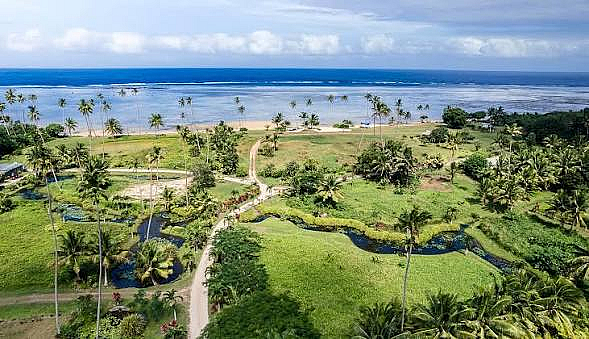
Savusavu isn’t the Fiji you’ll find splashed across cruise brochures or package holiday advertisements. There are no towering beachfront hotels, no endless rows of matching umbrellas, no crowded promenades lined with souvenir shops. Instead, there are fishermen easing wooden boats into the harbor before sunrise, children waving from roadside villages, waterfalls hidden beneath dense jungle, and an emerald coastline that still feels wonderfully untouched.
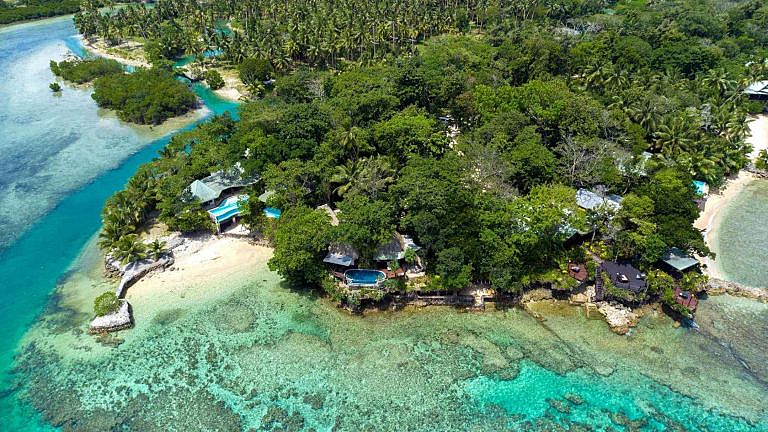
Somewhere inside those 525 acres of rainforest, volcanic cliffs, waterfalls and secluded coves sits one of the South Pacific’s most extraordinary resorts.
Namale doesn’t announce itself.
It reveals itself.
That might be the most luxurious thing about it.
Today the property is owned by entrepreneur Tony Robbins, but the story of Namale began long before his name became attached to it. The land itself was once a sprawling coconut plantation overlooking the Koro Sea, part of a region where agriculture defined everyday life. Over time the estate evolved into an intimate luxury retreat, though “hotel” hardly feels like the right word. Nothing about Namale resembles the polished uniformity of modern five-star chains. There are no endless corridors of identical rooms or towering concrete buildings. Instead, each bure and villa feels as though it grew organically from the rainforest itself.
Walking through the property feels less like checking into a resort and more like stumbling across a hidden village built by artisans rather than developers.
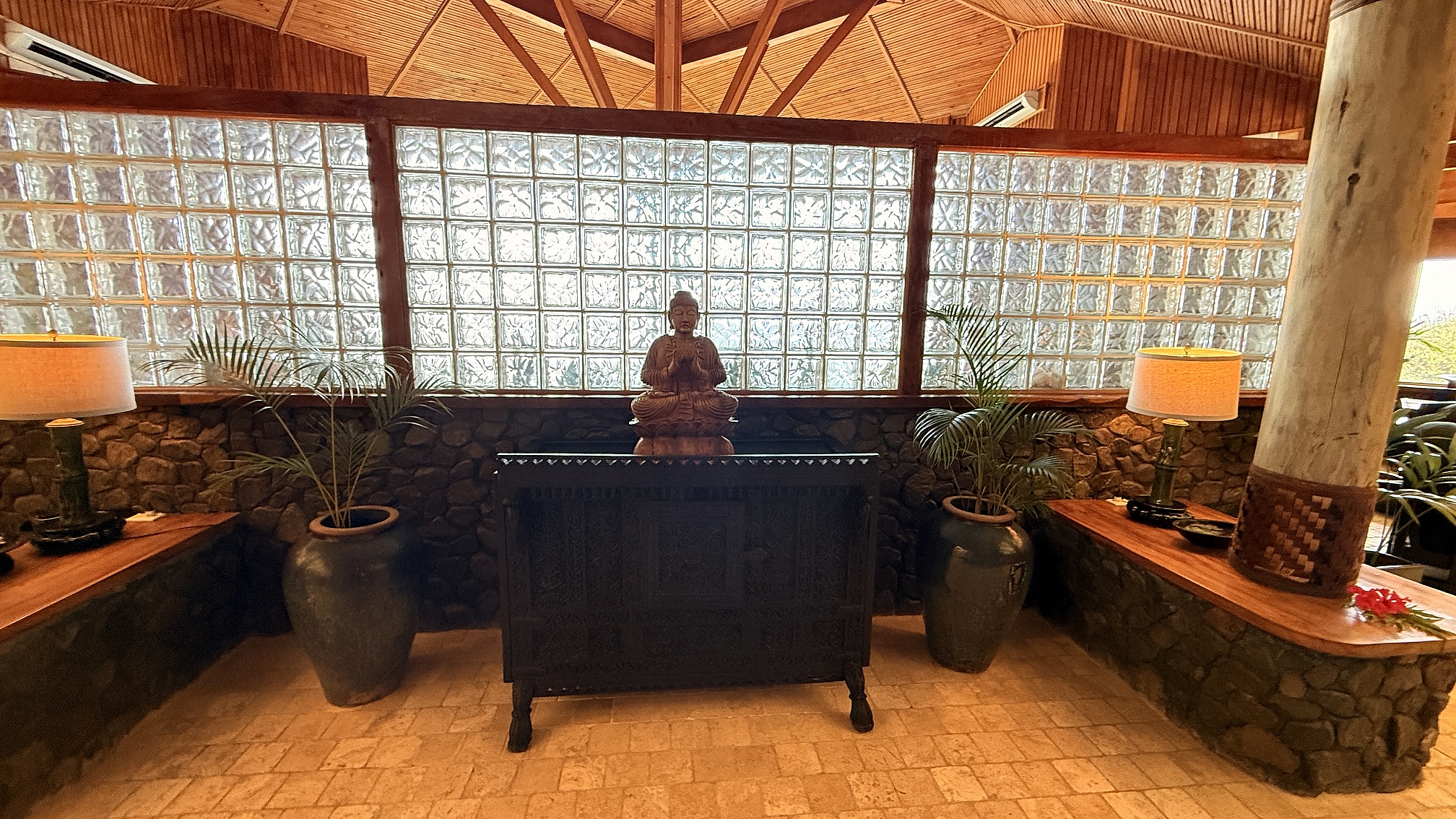
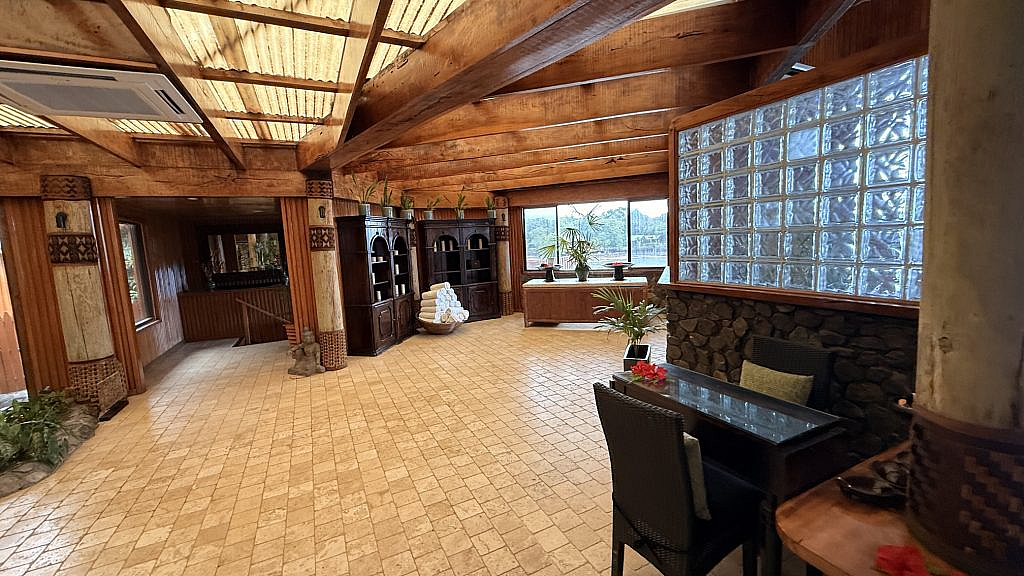
Traditional Fijian craftsmanship is everywhere. Massive hardwood beams, soaring thatched roofs, hand-woven magimagi coconut fiber lashings, volcanic stone pathways and tropical gardens blend seamlessly with influences borrowed from Bali, Indonesia, India and Africa. Every building has its own personality, shaped by the rugged landscape rather than forcing the landscape to adapt to it.
It’s difficult to appreciate just how ambitious this place is until you realize much of it had to be built by hand. Heavy construction equipment couldn’t simply roll across volcanic cliffs and rainforest. Much of the resort was painstakingly crafted by local builders working with the terrain instead of against it, creating something that feels timeless rather than manufactured.
People often ask what Namale cost to build or what it’s worth today. The honest answer is that nobody outside ownership really knows. Tony Robbins has never publicly disclosed the acquisition price or total investment, and because the resort remains privately held, any figures floating around online are educated guesses at best. What is obvious, however, is that recreating Namale today would require an almost unimaginable investment. Oceanfront land of this scale, hundreds of acres of protected rainforest, decades of thoughtful development and a reputation built over generations simply aren’t things you can order from an architect.
Robbins himself has often spoken about Fiji with something closer to reverence than ownership. For someone whose career has been built on speaking to packed stadiums and moving constantly across continents, Namale became the place where the noise stopped. It’s where he writes, reflects, hosts occasional retreats and, perhaps most importantly, disappears.
That philosophy seems to have seeped into every corner of the property.
Luxury here isn’t measured by crystal chandeliers or designer labels.
It’s measured in silence.
You notice it sitting alone on a cliff before sunrise while waves explode hundreds of feet below. You notice it watching fruit bats drift across the evening sky. You notice it over dinner when the only soundtrack is the surf and the occasional rustle of palms overhead.
The famous spa captures that philosophy better than anywhere else on the property.
Perched dramatically above the Koro Sea, the Spa Sanctuary is consistently ranked among the finest in the South Pacific, and for good reason. It isn’t trying to imitate a luxury spa in New York, Dubai or Singapore. Instead, it embraces exactly where it is. Treatment rooms open toward the ocean. Rainforest birds replace background music. Sea breezes drift naturally through open-air spaces. Time begins to lose meaning.
Guests arrive for massages and often leave having spent half a day wandering between hydrotherapy pools, steam rooms, relaxation lounges and oceanfront terraces without ever once checking the time.
The treatment menu combines familiar therapies like deep tissue massage, hot stone treatments, aromatherapy and anti-aging facials with Fijian-inspired wellness rituals that draw from generations of island healing traditions. Couples often disappear into private treatment suites overlooking the Pacific, while others choose body wraps, detox therapies or personalized wellness experiences designed to reset both body and mind.
It isn’t difficult to understand why so many honeymooners say the spa alone justified the trip halfway around the world.
But Namale was never meant to keep people indoors.
One day you might find yourself horseback riding through rainforest trails. The next you’re descending into a sea cave for one of the most unforgettable private dinners in the South Pacific. Hidden waterfalls become lunch spots. Coral reefs become afternoon adventures. Village visits become lessons in hospitality that no luxury concierge could ever replicate.
The experiences don’t feel manufactured because, for the most part, they aren’t.
They simply exist.
And Namale gives you access to them.
Food follows the same philosophy.
Rather than trying to impress guests with unnecessary extravagance, the kitchen focuses on ingredients that actually belong here. Fresh seafood arrives from nearby waters. Tropical fruit ripens on the property. Herbs and vegetables are harvested from resort gardens. Indo-Fijian influences mingle naturally with Pacific flavors, producing meals that feel both refined and deeply connected to place.
Some of the most memorable dinners aren’t served inside restaurants at all. They’re enjoyed beside waterfalls, inside sea caves or on secluded cliff tops where it feels as though the entire Pacific Ocean has been reserved just for your table.
Luxury tourism often raises uncomfortable questions about who truly benefits, but Namale has long been woven into the fabric of Savusavu itself. The overwhelming majority of the team is Fijian, many coming from nearby villages where the resort provides stable careers, professional training and opportunities that allow families to remain on Vanua Levu rather than relocating elsewhere for work. Local farmers, fishermen, artists, musicians and cultural performers all become part of the guest experience, ensuring that tourism dollars circulate well beyond the resort gates.
Spend even a few days here and you’ll quickly discover that the greatest asset isn’t the rainforest, the villas or even the ocean.
It’s the people.
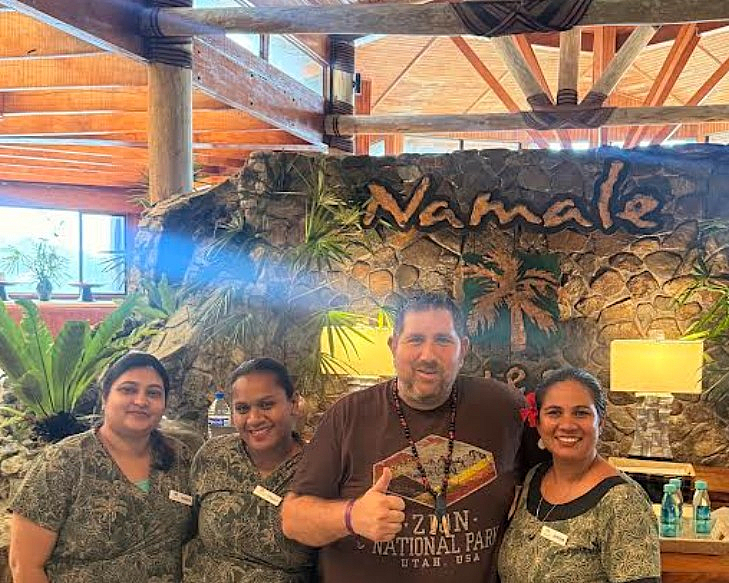
Fijian hospitality has become almost legendary for its warmth, but at Namale it never feels rehearsed. Conversations become friendships. Staff members remember your morning coffee order before you do. Returning guests are welcomed back by name years later. That kind of service can’t be taught in hospitality school. It grows out of culture.
Perhaps that’s why Namale continues to appear on lists compiled by Condé Nast Traveler, Travel + Leisure, Forbes and the World Luxury Hotel Awards. The accolades matter, but they don’t fully explain the place.
Awards recognize excellence.
They don’t measure soul.
Namale isn’t inexpensive, nor should it be. There are plenty of places in Fiji where you can find a beautiful beach for a fraction of the price. But Namale has never been about competing on cost. It’s about offering something that has become surprisingly rare in modern luxury travel: genuine privacy, authentic culture, extraordinary service and enough untouched wilderness to remind you what silence actually sounds like.
In an age where the world’s most exclusive resorts often seem determined to outdo one another with bigger buildings and flashier amenities, Namale succeeds by doing less. Less noise. Less crowding. Less performance.
More nature. More humanity. More Fiji.
By the time your small plane lifts off from Savusavu and the rainforest begins to disappear beneath the clouds, you’ll probably realize something unexpected. You didn’t simply visit one of Fiji’s finest resorts. For a little while, you remembered what it feels like to disappear from the rest of the world—and that’s a luxury no amount of marble or gold can ever buy.
About The Author