The Raw Land Buying Mistake: Why Beautiful Property Doesn’t Always Make a Great Investment
The hidden costs, development challenges, and hard lessons of buying raw land for a campground, glamping resort, or outdoor hospitality investment.
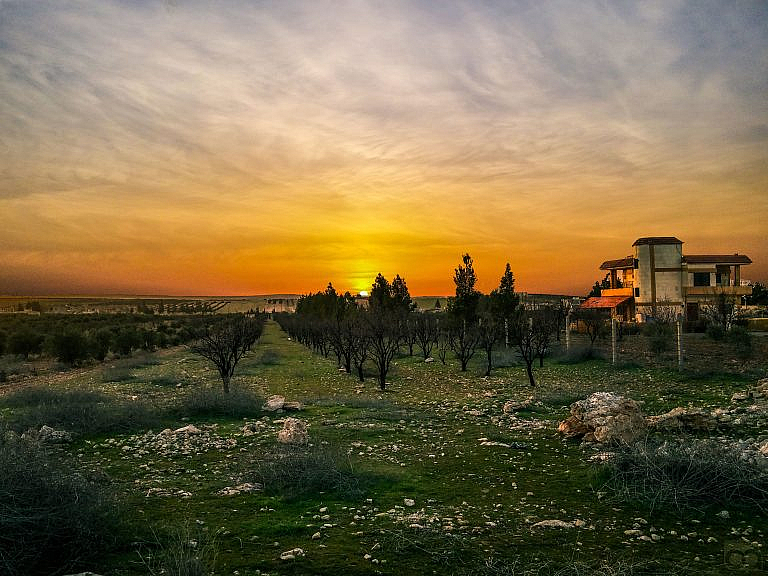
At this very moment, a good friend of mine is driving out to look at a piece of land that was recently presented to us as a potential investment opportunity. It’s one of those properties that immediately gets the imagination working. Beautiful scenery, wide-open spaces, dramatic landscapes, and the kind of natural setting that makes you wonder why somebody hasn’t already turned it into something spectacular.
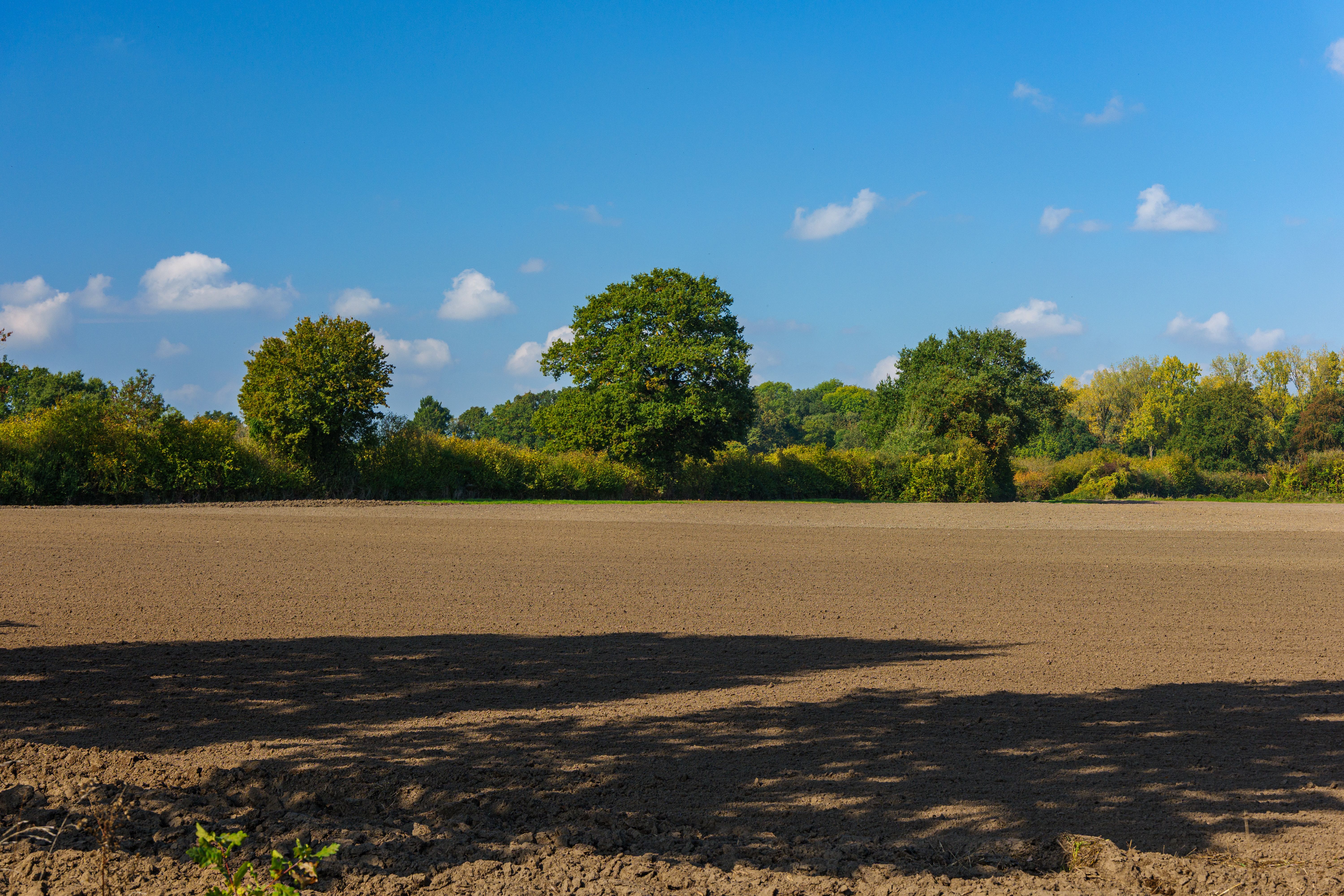
There’s no campground on it. No established campsites, no utility hookups, no interior roads, and no existing hospitality infrastructure. It’s raw dirt. From the photographs, though, it looks like it could be an incredible location for a glamping resort, a boutique outdoor retreat, or perhaps even a combination of luxury camping accommodations and traditional RV sites.
I’ll be honest. When I first saw the pictures, my brain jumped straight to yurts and safari tents perched along the ridgeline, fire pits glowing at sunset, guests sipping their morning coffee overlooking the mountains, and a booking calendar filled with $300-a-night reservations. I could practically see the website, the branding, the Instagram photos, and the five-star reviews before anyone had even set foot on the property.
And that’s exactly the trap.
Beautiful land does not automatically make a great campground, and falling in love with the scenery before understanding the economics is one of the biggest raw land buying mistakes an investor can make.
“Look how beautiful this is!” is a feeling. It isn’t due diligence. And as much as I appreciate a spectacular landscape, feelings don’t pay contractors, install septic systems, negotiate zoning approvals, or cover the mortgage when the booking calendar isn’t quite as full as we imagined.
I’ve learned that the most dangerous investments aren’t necessarily the ones that look terrible. Sometimes they’re the ones that look so promising that we stop asking difficult questions. The excitement of what a property could become can quickly overshadow the reality of what it will take to get there.
Most new investors miss this distinction. The view is what makes you want the property. Five much less romantic questions determine whether you should actually buy it.
1. Are We Even Allowed to Build This? Zoning, Entitlements, and Land Use
Before anything else, we need to establish whether the local government will even allow us to do what we’re imagining.
This sounds obvious, but you’d be surprised how many people buy acreage assuming that ownership automatically gives them the freedom to develop it however they please. Unfortunately, owning the land and having the legal right to operate a commercial campground on it are two very different things.
Does the county allow a campground, RV park, or glamping operation on this particular parcel? If it does, how many units could we realistically get permitted? Are there minimum acreage requirements, setbacks, density restrictions, environmental limitations, or special-use permits hiding somewhere in the local development code? Are there restrictions on short-term accommodations, permanent structures, campfires, wastewater disposal, or commercial activity?
And perhaps most importantly, how long will the approval process take, and what will it cost?
There’s a world of difference between a property where campground development is permitted by right and one that requires a discretionary zoning change, public hearings, engineering studies, and approval from a planning commission. One might move forward relatively smoothly. The other could turn into a yearlong adventure through government bureaucracy, with no guarantee that the project will ultimately be approved.
Even something as seemingly simple as placing a few luxury tents on private land can trigger commercial lodging regulations, building codes, sanitation requirements, fire safety standards, and accessibility obligations. Depending on the jurisdiction, the county may treat a furnished glamping tent very differently from a recreational campsite.
And don’t forget about deed restrictions, conservation easements, or private covenants that could limit development even when the zoning appears favorable.
A stunning piece of land that you can’t legally develop is just an expensive place to go camping.
The lesson here is simple: Never confuse what a property looks capable of supporting with what you’re legally entitled to build on it. Before getting emotionally or financially committed, talk to the planning department, review the applicable regulations, and establish a realistic path to obtaining the approvals your project requires.
2. Where Are the Utilities, and What Will It Cost to Bring Them In?
Here’s where the romance of raw land development tends to meet the cold reality of infrastructure.
When you’re looking at a beautiful mountain property, it’s easy to picture the finished resort. What’s considerably less exciting is imagining the trenching, electrical transformers, underground plumbing, wastewater systems, and utility easements required to make the place operational.
But those unglamorous details can determine whether the entire investment succeeds or fails.
At a minimum, we’re looking at four essential utilities: water, sewer or septic, electricity, and internet connectivity. Depending on the business model, we may also need propane infrastructure, water storage, fire suppression systems, and backup power.
Don’t stop at asking whether utilities are “available.” That word can hide an extraordinary amount of money.
An electrical line running somewhere along the county road doesn’t necessarily mean there’s sufficient capacity to serve a commercial resort. A water main a quarter-mile away doesn’t mean you can connect to it affordably. And having enough room to install a septic system doesn’t mean the soil will support the system your planned occupancy requires.
The questions are where each utility is located, whether adequate capacity exists, what approvals and easements are necessary, and what it will cost to bring everything onto the property and distribute it throughout the development.
A transformer upgrade, a deep well, extensive rock excavation, or a septic system that requires specialized engineering can wreck a development budget before you’ve built a single accommodation. And in remote locations, even something as basic as getting contractors and heavy equipment onto the site can add substantial costs.
There’s also the issue of water rights and long-term water availability, especially in the American West. A property might have groundwater beneath it without having a practical, legal, or financially viable way to extract enough for a commercial hospitality operation. Water quality, seasonal supply, well production, and local restrictions all deserve serious attention.
For an off-grid glamping concept, solar power, battery storage, composting toilets, and alternative water systems may offer interesting solutions. But off-grid doesn’t automatically mean inexpensive, and alternative systems still have to meet applicable health, safety, and environmental requirements.
Water, wastewater, electricity, and connectivity aren’t background details in this business. They’re a significant part of the experience guests are paying for. Nobody wants to spend $300 a night in a luxury safari tent only to discover the shower doesn’t work, the power is unreliable, and the internet disappears every time the wind blows.
The real raw land buying mistake is calculating the cost of the accommodations while treating the infrastructure needed to operate them as an afterthought.
3. What Will the Land Itself Actually Let Us Build?
This is why we have to physically investigate the property before deciding whether it’s a deal.
Aerial photographs, drone footage, and beautifully framed listing images can tell you a lot about a property’s potential. They can also conceal nearly everything that matters from an engineering perspective.
On the ground, we need to examine topography, drainage, floodplains, soil conditions, trees, wetlands, rock formations, erosion, and changes in elevation. Then we can start imagining a practical site plan rather than simply admiring the scenery.
Where does the entrance go? How much grading is required? Where can the roads be constructed without disturbing half the mountain? Which areas are actually buildable? Where would the accommodations sit? Can emergency vehicles access the property and turn around safely? What happens to stormwater during a major rain event?
A dramatic hillside can provide extraordinary glamping views. It can also deliver a construction bill that makes the entire deal financially impossible.
The same slope that sells the bookings can sink the budget.
Something as simple as establishing a level pad for a luxury tent can require excavation, retaining walls, engineered foundations, drainage improvements, and erosion control. Multiply that across 15 or 20 accommodations, add roads and utility trenches, and suddenly that inexpensive acreage isn’t looking quite so inexpensive anymore.
This is where a topographic survey, preliminary civil engineering review, geotechnical assessment, and conceptual site plan can be worth their weight in gold. You don’t necessarily need to complete every engineering study before making an offer, but you should understand the major development risks before your due-diligence period expires.
There’s another consideration that matters to me beyond the financial calculations: the environmental impact of what we’re building.
Part of the appeal of outdoor hospitality is giving people an opportunity to reconnect with nature. It seems rather contradictory to destroy the very landscape we’re trying to sell as the experience.
A thoughtful development should work with the natural contours of the property wherever practical, preserve mature trees and native vegetation, protect wildlife corridors, minimize unnecessary grading, and manage water responsibly. In many cases, designing around the land rather than forcing the land to accommodate an overly ambitious site plan can create a more authentic guest experience while reducing development costs.
Good stewardship and good business aren’t necessarily competing objectives. Sometimes the most profitable thing you can do is leave the most beautiful parts of the property alone.
4. Can Guests Actually Get There? Roads, Access, and Location
Access is surprisingly easy to overlook when you’re standing at the most spectacular viewpoint on the property.
It’s one thing to drive a four-wheel-drive truck down a rough dirt road and declare that you’ve discovered paradise. It’s another thing entirely to expect a couple arriving after dark in a rental sedan to navigate that same road without questioning their vacation decisions.
How far is the property from major highways, airports, population centers, and the cities our guests will realistically be traveling from? What’s the last several miles of the journey like? Are the roads maintained year-round? Is the entrance steep, narrow, or difficult to see? Can guests safely enter and exit the property during bad weather?
Will the county require us to widen the entrance, improve drainage, pave a section of roadway, or obtain additional access permits?
We also need to confirm that the property has legally documented access. A dirt road visible on satellite imagery doesn’t necessarily establish a recorded easement or the legal right to use it for commercial traffic.
And if RV sites might eventually become part of the business plan, the questions become even more important.
Can somebody towing a 40-foot fifth wheel actually get in and out without white knuckles? Are the turns wide enough? Are the grades manageable? Is there adequate overhead clearance? Can larger motorhomes safely navigate the interior roads and reach their assigned sites without backing into trees, rocks, or somebody else’s camper?
Existing campground operators hear about these problems from guests immediately. Poor access, confusing circulation, steep grades, and badly designed campsites can generate negative reviews faster than almost anything else.
Fixing those problems on paper is considerably cheaper than fixing them after you’ve poured the asphalt.
Location also affects the property’s revenue potential. A beautiful destination two hours from a major metropolitan area might attract weekend travelers consistently, while a similarly beautiful location five hours away may require a much stronger destination experience to justify the trip.
That doesn’t mean remote properties can’t succeed. Some of the world’s most desirable retreats are deliberately isolated. But remoteness has to be part of the product, not simply an inconvenience guests are expected to tolerate.
If the journey is difficult, the destination had better be worth it.
5. Does the Guest Experience Actually Justify the Investment?
For glamping and outdoor hospitality, this question ultimately decides much of the deal.
Why would somebody come here instead of booking a hotel, vacation rental, established campground, or another glamping resort? What makes this particular location worth the drive, the expense, and the time away from home?
Is it the view? The privacy? Nearby national parks, hiking trails, lakes, rivers, wineries, or outdoor adventures? Is there a compelling wellness component, an opportunity to disconnect from technology, or an experience that guests simply can’t find at a conventional hotel?
And what will guests actually spend their days doing once they arrive?
A beautiful view might attract someone’s attention on Instagram, but an exceptional experience is what gets them to make a reservation, leave a five-star review, and tell their friends.
This is where the business model becomes critical.
The question that matters most is whether the experience can support the nightly rate the investment requires.
If our financial projections depend on charging $250 per night, but the finished experience feels like something guests would only pay $120 for, the beauty of the land isn’t going to save the investment.
We also have to consider occupancy, seasonality, operating expenses, and the realities of running a hospitality business.
A property that looks spectacular in October might be unbearably hot in July, inaccessible during winter storms, or exposed to seasonal wildfire restrictions. A projected nightly rate means very little without a realistic understanding of how many nights per year those accommodations can actually be rented.
Then there’s the cost of cleaning, maintenance, insurance, booking platform fees, property management, marketing, staffing, property taxes, repairs, and replacing accommodations as they age.
Luxury tents, yurts, and other alternative structures may look relatively affordable compared with conventional buildings, but they aren’t maintenance-free. Weather exposure, fabric replacement, heating and cooling, furnishings, decks, bathrooms, and ongoing upkeep all have to be considered.
It’s also important to distinguish between gross revenue and actual profitability. A resort generating impressive booking revenue can still be a poor investment if construction costs, debt payments, and operating expenses consume most of the income.
Before getting carried away with projected nightly rates, we need to study comparable properties, evaluate realistic occupancy, calculate development costs, and build financial projections that can survive something less than a perfect year.
And those projections should include a contingency for unexpected costs, because when developing raw land, the unexpected has an uncanny habit of becoming expensive.
You aren’t really buying dirt. You’re buying the opportunity to create a guest experience, and your job is to determine what that experience will cost to build, what it will cost to operate, and whether people will pay enough for it to justify the investment.
The Hidden Raw Land Buying Mistake: Confusing a Cheap Purchase Price With a Good Deal
There’s another trap worth discussing, and it’s one that extends well beyond campground development.
Raw land can look incredibly affordable compared with developed real estate. You might find 20, 40, or even 100 acres priced below the cost of a modest single-family home in a major city. For an investor accustomed to residential or commercial property values, that kind of acreage can seem like an extraordinary bargain.
But the purchase price is only the admission ticket.
What matters is the total cost of transforming the property into an operational, revenue-producing asset.
A parcel purchased for $200,000 might require another $800,000 in roads, utilities, engineering, permits, site preparation, and basic infrastructure before the first guest ever arrives. And that still might not include the actual accommodations, common areas, landscaping, furnishings, marketing, or working capital needed to open the business.
Suddenly, the property that seemed like a steal has become a much larger investment.
This is why experienced developers tend to work backward from the finished project. Rather than asking how much the seller wants for the land, they ask what the completed business could realistically be worth, what it will cost to build, and how much they can afford to pay for the underlying property while still achieving an acceptable return.
There’s also the financing challenge. Lenders often treat undeveloped land and speculative hospitality projects differently from established income-producing real estate. Down payments may be larger, financing options more limited, and carrying costs more significant than an inexperienced buyer anticipates.
And until the project opens, the property generally isn’t producing the hospitality income that justified purchasing it in the first place.
Every month spent navigating approvals, waiting on utility companies, or resolving engineering problems is another month of taxes, insurance, interest, and other holding expenses without corresponding operating revenue.
A cheap property can become an extraordinarily expensive lesson if the investor underestimates the time and capital required to make it useful.
Don’t Forget the Exit Strategy
One question I think investors should ask more often is what happens if the original development plan doesn’t work.
Suppose the county rejects the proposed density. Suppose utility costs come back twice as high as expected. Suppose the market changes, financing becomes difficult, or construction costs rise beyond what the projected revenue can support.
What then?
Can the property support a smaller campground? Could it function as a private retreat, recreational property, agricultural operation, or another permitted use? Is there enough demand for undeveloped acreage in the area that we could reasonably sell it without taking a substantial loss?
Or are we buying a highly specialized piece of land whose value depends almost entirely on a project that hasn’t yet been approved?
A good investment should have a compelling primary strategy and a realistic understanding of what happens if that strategy fails.
That doesn’t mean every property needs five different business plans. It means recognizing that the land itself has a value independent of our imagination, and understanding how much of our investment depends on turning that imagination into reality.
The more expensive and complicated the proposed development, the more important that distinction becomes.
Two Lenses at the Same Time: Vision and Financial Reality
So, as my friend makes his way out to this property today, our job isn’t to get too excited about the deal just yet. It’s to evaluate it through two lenses at the same time.
Can we build something amazing here?
Can we build something that actually makes money here?
Those are two separate questions, and plenty of investors only ask the first one.
The visionary sees the potential. The investor calculates the risk. The developer figures out whether the vision can actually be constructed, permitted, financed, and operated.
To do this well, you need all three perspectives working together.
There’s nothing wrong with getting excited about a property. In fact, I think imagination is one of the most valuable qualities an entrepreneur can have. Without it, most extraordinary places would never get built. Every successful resort, destination campground, or remarkable hospitality experience started with somebody looking at a piece of land and seeing something that didn’t exist yet.
But imagination needs discipline.
The best real estate investors I’ve encountered aren’t necessarily the people who see the most potential. They’re the people who can distinguish between potential worth pursuing and potential that’s simply too expensive to realize.
Sometimes the smartest investment decision is walking away from a beautiful property.
Other times, the investigation reveals opportunities that weren’t obvious from the listing. Perhaps the terrain supports fewer sites than we originally imagined, but those sites could offer extraordinary privacy and command premium rates. Perhaps a modest first phase makes more sense than developing the entire property immediately. Maybe the best business model isn’t an RV park at all, but a handful of thoughtfully designed luxury accommodations with a much smaller infrastructure footprint.
That’s the beauty of doing the homework. Good due diligence doesn’t just protect you from bad investments. It can reveal better ways to structure the good ones.
The Real Value of Doing the Work Before You Buy
If there’s one lesson I hope new investors take away from this, it’s that the most important work often happens long before the property generates its first dollar.
It’s in the conversations with planning officials, the utility estimates, the engineering assessments, the market research, and the uncomfortable financial calculations that challenge our original assumptions.
It’s in walking the property after a heavy rain, understanding where the water flows, checking whether the access road is legally established, and figuring out whether the beautiful ridgeline we imagined developing is actually suitable for construction.
It’s in recognizing that the land deserves respect, too. A good development shouldn’t merely extract revenue from a beautiful place. Ideally, it should preserve what makes that place special while creating something valuable for the people who visit and the surrounding community.
Real estate investment, particularly when it involves raw land, is ultimately an exercise in balancing opportunity with responsibility. We have an opportunity to create something meaningful, but we also assume responsibility for the capital invested, the environment we’re developing, the people who will eventually work there, and the guests who trust us to deliver the experience we’ve promised.
So today, we’ll look at the property, ask the difficult questions, and see whether the numbers support the vision.
If the answers line up, that’s when we can start getting excited about the yurts, the fire pits, the mountain views, and those $300 nights.
And if they don’t, we’ll walk away with a little more knowledge and our investment capital intact.
Because the biggest raw land buying mistake isn’t passing on a property that might have become something extraordinary. It’s buying one before you understand what it will actually take to make that happen.
I’ll keep sharing what we discover as we work through this opportunity. The work that happens before you buy a campground, or before there’s even a campground to buy, matters just as much as anything you’ll eventually learn about running one.
It’s also the part almost nobody shows you.
And quite often, it’s where the real money is made—or lost.
About The Author