
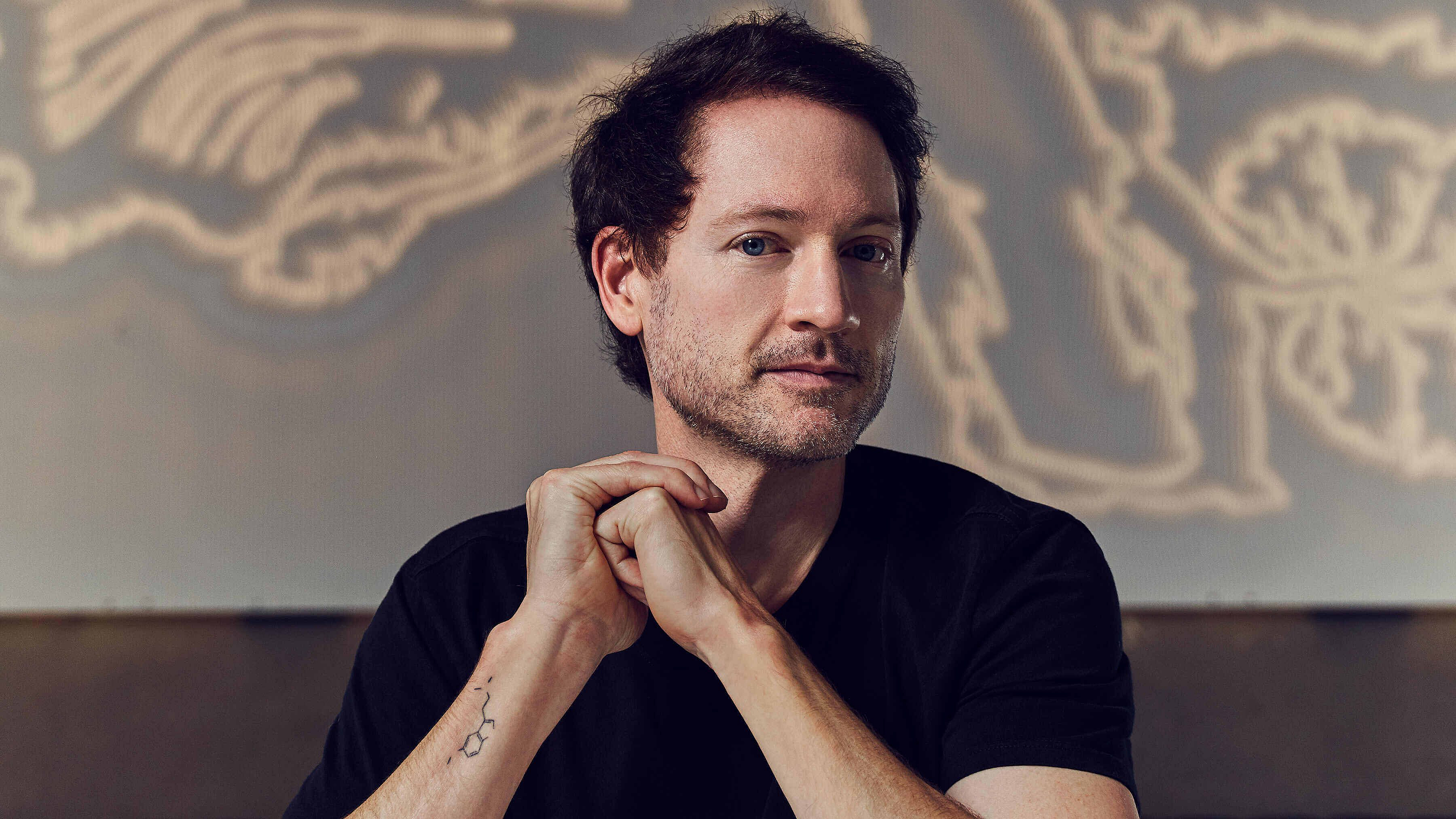
When Bryan Johnson announced on X that he had “cloned” himself as a newborn, the internet reacted exactly how you’d expect. Some people called it the future of medicine. Others called it deeply unsettling.
In his post, Johnson explained that he isn’t referring to a cloned human baby. Instead, scientists took one of his blood samples, extracted his cells, and used what’s known as Yamanaka factors to reset them into an embryonic-like state. The result, according to Johnson, is what he refers to as “Baby Bryan,” a collection of pluripotent stem cells currently existing in a laboratory.
Johnson believes these cells could eventually become the foundation for a new era of regenerative medicine. In his post, he outlines several potential applications, including testing new therapies on genetically identical tissue before using them on his own body, growing replacement organs, developing personalized treatments, injecting younger cells, and even becoming what he jokingly called his own “blood boy.”
I just cloned myself…as a newborn
With this clone, I can:
+ become my own blood boy
+ test therapies on the clone
+ grow organs for transplantation
+ develop new treatments
+ inject young cellsThis baby-bryan lives in a petri dish for now.
This may be scary to some… pic.twitter.com/Ved8ij9Col
— Bryan Johnson (@bryan_johnson) July 21, 2026
He also pointed to ongoing research exploring similar stem cell technology for conditions like Parkinson’s disease, heart disease, and certain forms of blindness. While many of those treatments are still experimental, Johnson sees them as signs that regenerative medicine could eventually reshape how we think about aging.
He acknowledged that many people would view the idea as “a dystopian future,” while others would see it as the natural evolution of healthcare. Johnson framed the announcement as another step in his broader mission to slow, and ultimately reverse, biological aging. He also shared that a recent diagnosis of autoimmune gastritis pushed him to explore regenerative medicine even more aggressively as a potential path toward repairing the body instead of simply managing disease.
Of course, Johnson’s use of the word “clone” is where much of the controversy begins. When most people hear that word, they picture another human being with identical DNA. That’s not what Johnson appears to have created. Scientists generally describe induced pluripotent stem cells as reprogrammed adult cells that can potentially become many different types of tissue. They are an exciting area of research, but they are not a cloned person, and many of the future applications Johnson discusses remain years away from becoming routine medical treatments.
Whether you see this as an exciting medical breakthrough or a step too far probably depends less on the science itself and more on where you believe the ethical boundaries of medicine should be.
Medicine Has Always Challenged Society’s Comfort Zone
The first blood transfusions faced intense criticism. Organ transplantation was viewed by many as playing God. In vitro fertilization was controversial enough that people questioned whether “test tube babies” should even exist. Today, millions of people are alive because of treatments that once sounded like science fiction.
That doesn’t automatically mean every new technology deserves acceptance. It does remind us that our first reaction to something unfamiliar isn’t always the best measure of whether it ultimately benefits humanity. If blood transfusions, organ transplants, and IVF had been judged solely by public discomfort during their earliest days, they may never have become the life-saving procedures they are today. So it’s fair to ask whether regenerative medicine is simply the next chapter in that story, or whether this really is crossing a line that previous medical advances never approached.
The Case for Exploring This Technology
If scientists can safely grow genetically matched tissues or organs, the medical potential is enormous.
Imagine a future where someone with kidney failure doesn’t spend years waiting for a donor. Instead, doctors grow a replacement organ using that person’s own cells, dramatically reducing the risk of rejection.
The same approach could eventually help repair damaged heart tissue after a heart attack, regenerate neurons lost to Parkinson’s disease, or restore vision in certain forms of blindness. Researchers around the world are already working toward these possibilities, even if much of the science is still in its early stages. Johnson argues that personalized regenerative medicine could become one of the biggest breakthroughs in longevity. If replacement organs, younger cells, and personalized therapy testing become practical, the conversation around aging itself could change.
Instead of simply managing decline, medicine could eventually focus on repairing the body before permanent damage occurs. That’s an exciting possibility.
The Questions That Make People Uneasy
Even if the science works exactly as intended, it raises difficult questions that don’t have easy answers. At what point does repairing the human body become redesigning it? If wealthy individuals can continually replace failing organs while everyone else relies on traditional healthcare, does longevity become another luxury available only to the rich?
How should governments regulate technologies that blur the line between regenerative medicine and human cloning? Could the pursuit of dramatically longer lives create new social and economic problems that we’re not prepared for? And perhaps the biggest question of all: just because we can do something, does that mean we should?
Johnson himself acknowledged that many people would see this as a dystopian future. Others may see it as the inevitable next chapter of medicine.
Is This Really Cloning?
Part of the debate also comes down to language. When most people hear the word “clone,” they picture a genetically identical human being. Scientists generally don’t believe that’s what Johnson has created.
Based on his own description, he appears to be referring to induced pluripotent stem cells, not a developing human clone. Those cells can potentially become many different tissue types, but that’s very different from creating a person. That distinction matters because sensational language can make promising science seem far more advanced than it actually is. At the same time, it’s also understandable why Johnson chose the term. Calling these cells “Baby Bryan” immediately gets people talking. Whether that helps educate the public or simply creates more confusion is another question worth debating.
A Conversation Worth Having
Whether Bryan Johnson’s announcement proves to be a meaningful milestone or simply another provocative moment in the longevity movement, it has already accomplished one thing: it has people talking about where medicine is headed.
The technology itself may still be years away from delivering on its biggest promises. Even so, advances in regenerative medicine are happening faster than most people realize, and conversations that once belonged only in science fiction are beginning to enter mainstream healthcare.
How much should we intervene in the aging process?
What ethical limits should exist for regenerative medicine?
If these technologies become safe and effective, who gets access to them?
Will future generations look back on today’s concerns the same way we now look back on early fears surrounding blood transfusions and organ transplants? Or is this fundamentally different?
There probably isn’t a single right answer yet. But regardless of where you land, Bryan Johnson’s latest announcement serves as a reminder that the future of healthcare won’t just be shaped by scientific breakthroughs. It will also be shaped by the conversations society is willing to have about them.
About The Author